PLAYLIST PRESENTED BY

Two ETA Paths: Stay Independent or Sell to PE and Scale
Description
Chris Williams (System Six) and Taylor Wallace (Pet Resort Hospitality) compare two very different paths in entrepreneurship through acquisition: a self-funded search held independently versus selling to private equity and scaling to 23 locations. They unpack what makes a great operator, how to think about board oversight when using SBA debt, the realities of the CEO role at different stages, and how to allocate time across LOIs when competing with PE buyers.
Recent Videos
Transcript
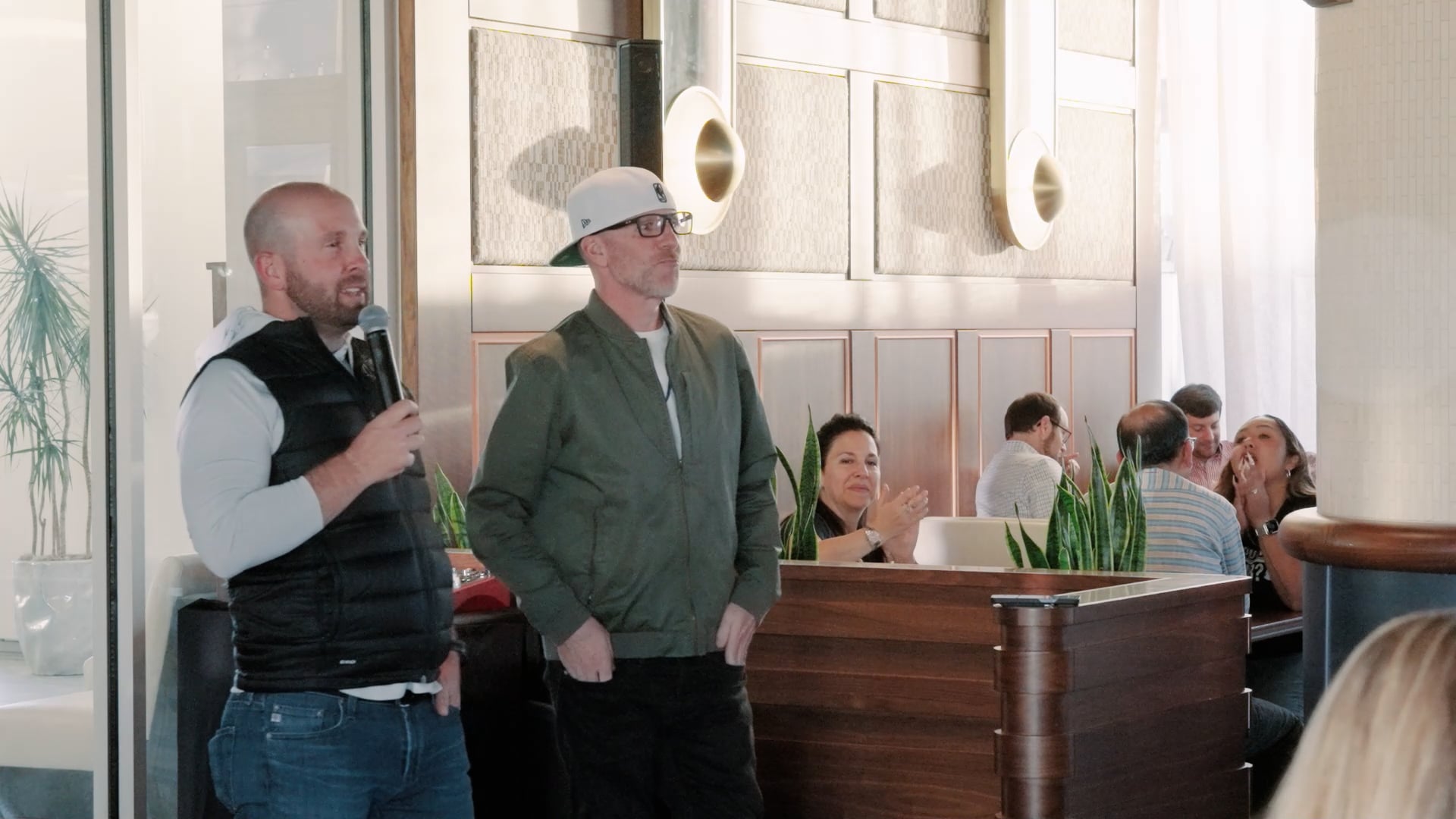
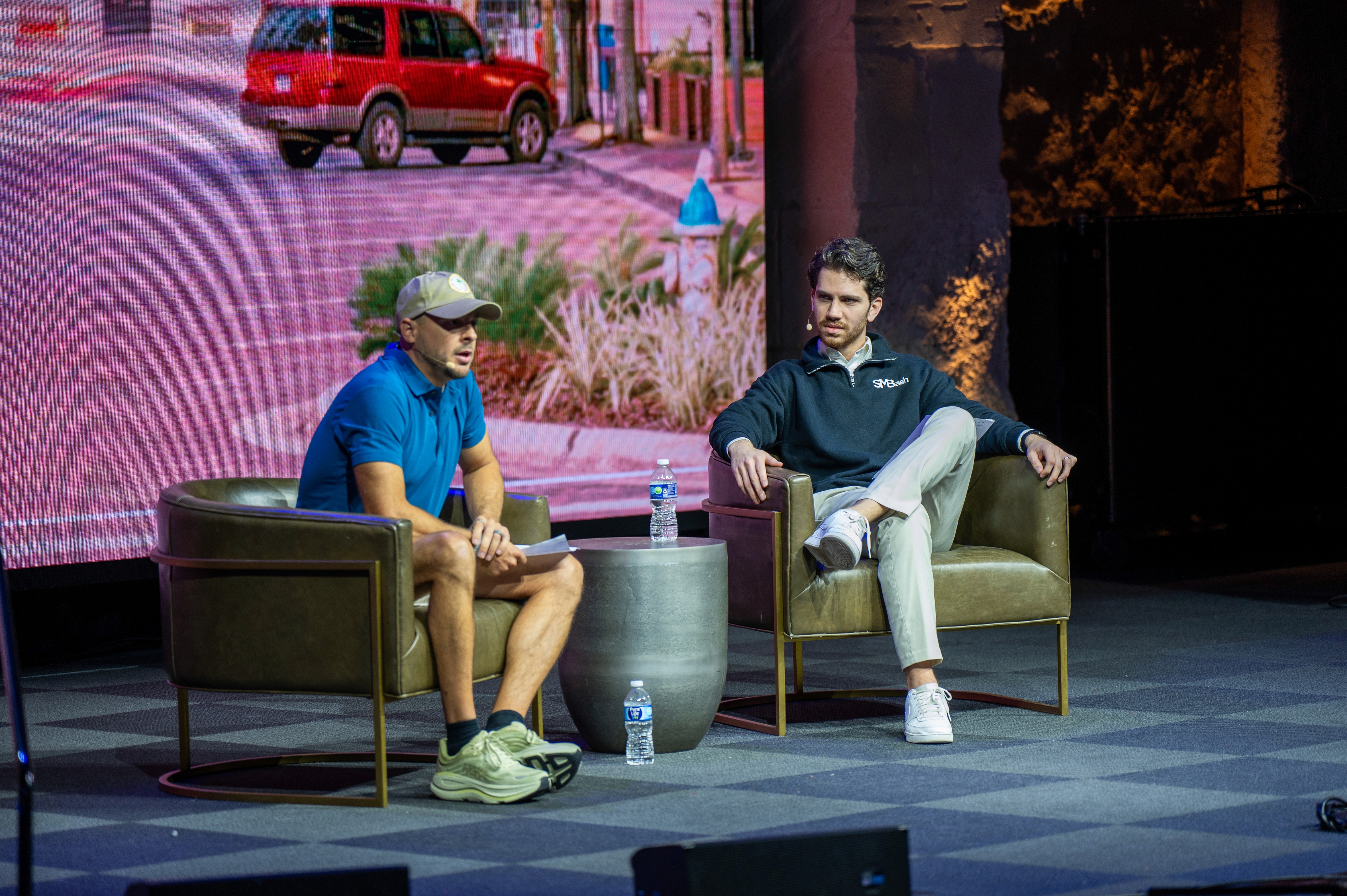
**Kevin (intro):** With that, I'm not going to say anything else. They're actually good friends, so I just told them they should introduce each other rather than me introducing them. So without further ado, Chris Williams and Taylor Wallace are going to talk about different styles of search.
**Taylor:** We're going to introduce each other. This is my friend Chris Williams. He's the CEO of System Six, an outsourced accounting and bookkeeping firm that works with a lot of searchers and small businesses. Former private equity finance bro with a Stanford MBA. Came out of business school, looked into a search fund, and ended up doing a traditional self-funded search, pretty down-the-middle textbook. He has continued for the last couple of years to run an awesome small business accounting and bookkeeping firm. Doubled revenue since he acquired it. Great guy, deep thinker, sick golfer, much better golfer than me. We had the pleasure of prepping for this talk on the golf course on Wednesday. He likes his Patagonia vests.
**Chris:** Excited to be up here on stage with Taylor Wallace. Other than the woman I met at dinner last night who probably has the most interesting SMB story I've ever heard, Taylor has the most interesting story. English major in college in the UK, tech for 10 years. I hope you don't mind me sharing: recovering alcoholic, been through addiction and come out the other side strong. Interesting guy, full of tattoos which he's hiding from you. Very thoughtful about how he has gone through buying, leading, and exiting in the doggy daycare industry. It's called Pet Resort Hospitality. He started super small and is now going super big, and I've kind of stayed in the middle. That's a distinction we'll work through today.
**Chris:** When I walked in here 20 minutes ago, you were pacing outside. Why don't you tell people what has happened over the last two years of your life?
**Taylor:** I was in tech for 10 years. My best friend was a guy I got sober with. He took an early sober job scooping poop at a doggy daycare. We ended up being roommates. I was running a small software company, and we were coming home every night rebuilding our lives. He was building up this daycare business and became a general manager. We were trying to figure out how to not be shitheads and run these small businesses effectively.
He crushed it. He took this daycare from seven to 10 dogs a day to 200 dogs a day. Absentee owner, she's making all the money, he's doing all the work. I was a marketing guy. I said, if you ever want to do this on your own, we'll figure it out.
Fast forward a couple of years, COVID hit, the startup I was working for imploded. We reconnected and said, maybe now's the time. I knew nothing about search. We looked at franchises because that was the world he was in. We thought about rolling our own because I was a startup guy. We stumbled upon a de novo that a franchise tried to sell us to convert to their franchise. We skirted around them and asked, should we buy a doggy daycare that's already operating? I called a bunch of search guys I knew and asked, can you buy a small business? They said, yeah, that's a great idea.
So I searched and bought a small business before I knew about any of the stuff we're talking about here. It went really well. We doubled revenue in six months. We bought another one, doubled revenue there in six months. Bought another one, same story. Built a de novo as well. Then our investor group was tapped and I was itchy. We were doing one unit every six to 12 months. Our search was constrained to Tampa Bay where we're based. We started getting approached by private equity and ended up partnering with a nascent platform with the idea that we would help run it 18 months ago.
Today we're up to 23 resorts. I'm closing a deal right now. I was pacing over a required cash discrepancy with the seller this morning. I think we got it resolved. I closed another deal on Wednesday. We're running and gunning super hard. I'm flying to Houston tonight to see another, I saw one yesterday. I've also done a small independent sponsor deal since then. And I just launched SMB Invest, trying to help connect searchers with capital when they're ready to fundraise.
**Chris:** I get the sense that you didn't want to do it forever, but you loved the couple of years running, started out super small with one dog daycare, got to three, you were in the trenches. If you're going to go buy a small business, I bought an 18-person business, we're now 40 people, but still very much in the trenches. You have to love that work. What did you love about it? What gave you energy? Why do you think people should go do it?
**Taylor:** The most energizing part of what I got to do in the three years we were independent was take my business partner, who is an incredibly skilled doggy daycare operator, out of a job and put him into an ownership position. Help him go from one to four to now managing 23 pet resorts. I don't love being in the pet resort. It's fine, it's not my passion. But I really love working with talented people and helping up-level them with what I can provide, which is access to capital. I can talk to the finance guys and the investors, and he can talk to the dog people.
That part was awesome, but I was itchy. When we were doing one deal every six months, I wanted to do a lot more. Personally, both of us wanted some cash in the bank and a W on the board.
**Chris:** You talked about loving working with great operators. Your roommate is a great operator. I see some searchers in the room, some operators. What does kickass operating look like to you? What about him made you think, this guy is going to make this thing so much better, so much faster?
**Taylor:** In our business, there are two types of operators. I'm the chief operations officer, and when I took on that role, I was very clear: I'm not a pet resort operator. I'm not a GM. I'm not going to run a single unit. I'm a business operator. I can implement the CRM, coordinate with the CFO, manage the general managers. My partner is a store operator. He's incredible with the people. I've never met a 37-year-old man that 22-year-old girls are so comfortable with, because that's our whole staff. He has this aura where he's super engaging with the staff and incredible with the customers.
Unbeknownst to him, he came up with an engineered labor standard for our entire business. The first time an industrial engineer saw it, he said, you came up with this and you don't have an industrial engineering background? He maps out how many steps it takes to get to the dishwasher and how to reduce that friction. He's looking at every process throughout that box and figuring out how to make it more efficient, while doing it with the real love of the staff.
**Chris:** What's he doing now that you're a much bigger business?
**Taylor:** He's the VP of ops for the East Coast. He's actively in the unit we're closing today, onboarding their staff and bringing them over to our systems, making sure they feel good about the fact that we just bought their business.
**Chris:** What do you think he is enjoying more, that previous path or what he's doing now?
**Taylor:** What we were doing by ourselves was more fun, more pure joy. We were definitely less rich, which is a thing he enjoys, being rich. He enjoys having some money. We're also learning a lot more. The thing we talk about now is, this was a huge reason for us to do it: we wanted to build a big company. We had built a great brand with four units, but how do we get to 100? The path for us getting there ourselves was either go raise growth equity and do one or two units a year, or partner with guys who've done it a bunch of times in other industries and learn from them. I was 33 when we did the deal. He was 35. So this is probably a three to five year run, and we'll be 40-ish by the time we sell it again, and well-equipped to go do a much bigger business ourselves for the next one. I say all the time, the next private equity firm I sell to, I'm going to get a much better deal. I got a good deal this time around.
**Chris:** There are 50 other paths in this conference. It's important to figure out what you want to do and what you're good at. He had an interesting combination, kickass operator who could continue to run a small clinic and grow that way, but was like, I want to push myself and learn and challenge. Do you want to be in the day-to-day and own 100% of it and optimize it for a couple years and cash flow it? That's one viable, lucrative, interesting path. Or do you want to get good at something for two or three years and then take on and learn a whole new job? That's what you're doing. Do you have any regrets, thoughts about what if we just kept going as we were versus taking on his pile of money and having bosses in a way you didn't have before?
**Taylor:** I've been thinking about regret a lot this week. I stumbled upon this poet, David Whyte, who wrote about poetry in the corporate world. It was apropos for the ponytail Patagonia poet talk. He was a lit major, I wasn't kidding. He writes that we're afraid of regret. The only way you hear regret in the modern world is people saying, I have no regrets. But regret is healthy. If you sit with regret, it's looking back on your life and realizing there's always a thousand different paths you could have gone, and you need to mourn the paths you can no longer walk down.
I have that. I will never know what it would have been like if we stayed independent and maybe I would have built the biggest doggy daycare brand in the world. Cause and Rec is the name of the company we started. I would have been the CEO of this. There's a thought there. But I also try to be present with where I'm at and recognize that I'm getting a unique, incredible experience. Life is long and vast and winding, and this is not the end-all be-all.
**Taylor:** So flipping that back to you, why don't you give your version of where you ended up and where your head's at right now? You stayed independent, but you've also been approached by a lot of private equity firms. Do you keep operating this business day-to-day, go buy more, grow?
**Chris:** My search started in 2020. There were two reasons I searched. One, I had a pretty traditional path and really enjoyed it, but I'd never bet on myself. Even with regret, sometimes I think about the other path and what that means financially at this point in my life. But man, I'm more energized every single day than I've ever been in my life. Sometimes that's a downside. I want to work on the weekends, and I have a newborn, so I have to figure out the balance. But I wake up every day thinking, how cool is it that I can shake the win today? Every single day you have a chance to win that day, and that's 100% in your control. That's energizing. Betting on myself was a big reason I searched.
The other thing is, go to a bunch of conferences. In business school I went to a bunch of panels, hearing from VCs, guys who went to GE and spent a whole career building cool things inside large companies. Pay attention to what energizes you. Even in this room, there are people who bought small and stayed small, people like Mike B who ran a crazy roll-up and flipped in two years. Pay attention to which path fires you up the most. When I was thinking about what to do after business school, every time I heard someone tell a search story, I was excited about what they had done. I paid attention to that.
There are a bunch of different paths in search. I was going to go find a deal. Traditional search people in this room probably aren't paying much attention to it, but it's a fine option. If I had found a large deal, I might have bought it with a traditional search structure. I don't think anyone should limit themselves on how big or what type of industry. Just go find a good business that you're excited to run, where you trust the seller, in a good industry. If you don't get to own 100% and only own 30%, that can still be a very good outcome. He now owns a lot less of a much bigger pie and has a ton of resources behind him and a fulfilling journey. I'm a big advocate of not narrowing yourself too much. Just find a good business.
To that point, I looked for businesses and industries where I had a story. I worked in real estate investing, so anything in finance, accounting, insurance, wealth management. You can cast a really wide net, but there are a million people searching right now. You need to have something where, when you talk to the seller who's been in the business for 30 years, she or he asks why should you run this business? Maybe it's the geography. Maybe it's a story about the industry.
I looked at a bunch of different industries and found System Six. I was doing mainly direct outreach, not a ton of broker work. That's a different path than most in self-funded search. I did that because that's what most of my friends doing traditional search were doing. But I really liked the idea of building a relationship with a seller, and you can build more of a relationship when you find them on your own versus through a tight broker process. The most important thing besides the industry you buy in is who you buy from. You need to trust your seller, and it's easier when you have a long time with them. I went out and visited my seller, spent two days at his house before we signed an LOI. That's extreme.
I really liked outsourced accounting. It checks a lot of boxes: recurring revenue, mission-critical service. It's not as sticky as I would like. Sometimes we lose customers. They get big, they go in-house. Running a service business, you feel this even more than I do. We work with our customer daily, weekly. That's a lot of opportunities to screw up. We get a little bit of grace, but when you're running a high-touch service business, you have to earn your retention every day.
There are challenges in running an accounting business, but I got comfortable with that. It's a massive market. I knew there would be acquisition opportunities. I probably spent half a day convincing myself it was a good industry, and then started emailing owners. You don't need to do a 30-page buy paper or talk to 15 people. You can do a lot of gut check pretty quickly nowadays with how research has changed in the last two years with ChatGPT.
We were 18 people when I bought it, six figures of earnings, still thought small. A lot of folks look at stuff that's a couple hundred thousand of SDE, that's where you started. I'm a big advocate of, we can all do math. You have, hey, I've got 1.9 times coverage because I'm buying this for three times EBITDA. But how many dollars do you have to play with? That's important. You can have two times coverage, but if you're at $300,000 of SDE and you owe $150,000 of debt payment, you can blow through that quickly. Versus a lower coverage ratio on a bigger business where you actually have more cash to play with. That's why I was willing to buy a slightly bigger business. I had to raise some equity. I don't have full control. I have investors that I treat like a board. I meet once a quarter, talk to them probably once a month. That's incredibly valuable.
**Taylor:** We did the same thing. For anyone searching, whether or not you raise equity, try to come up with some kind of board. I work better when I have accountability with another human. Just having that cadence, my monthly board email, prepping a board deck every month, getting financials ready for somebody other than me to look at.
**Chris:** You're going to make some scary decisions running a business. I'd never run a business before. I was 29 when I bought System Six. I want help. Tim, our salesperson, one of my board members interviewed him. I said, this is an incredibly important hire. I'm going to shell out some real money ahead of revenue. We got approached by private equity that was rolling up 18 months ago. I thought through potentially taking that. I wouldn't have taken any cash out. I didn't want to make that decision completely on my own. I'm thankful I have people who, yeah, maybe they're overpaid in terms of how much time they put in versus the equity, but I'd be more than happy to give up 15 to 20% of my business to have professionals around me helping me succeed. The most important financial decision you're ever going to make, especially when you take out a multimillion-dollar SBA loan with a personal guarantee when you have no ability to pay it off if things go wrong, that's my situation. Plus a house I don't want to lose. Having help around you is super important.
We're going along decently well. Candidly, it's been a choppier six months. We lost a team member, we've got some big clients going in-house, but things are going solid and we can keep doing that. We just bought another small business three and a half months ago, using more SBA for that. There's a ton of opportunity. We're in an industry where there's a lot of investor activity. I know I could decide at some point to go his route, take on outside investors, maybe get some cash out, maybe not, and play a totally different ball game. Swing much bigger going for a home run, versus chugging along hitting singles and doubles.
I'm not there yet. I'm always antsy, no matter what I'm doing. I don't feel like now is the time. I feel like I still have more room to run on my own. I like the idea of holding on for longer or owning more of the upside for longer. But every day I see, especially in accounting, somebody else who's doing a roll-up or chasing bigger deals. I'm aware that's a valid path too. I don't have the perfect answer. That's a big part of today's talk. You can go really big or stay smaller like we are right now. There's no 100% perfect path. About System Six, there was one thing we didn't love about the business, and that's turned out to be true: there's churn. Customers go in-house, they get big. We want to own customers for five to 10 years, and our best customers are growing their business as well. Eventually they build up their in-house accounting team. Nothing's perfect, but that's where I'm at right now.
**Taylor:** Talk about the role of the CEO. Do you like being a CEO?
**Chris:** I'm only just now getting to be a CEO, maybe over the last six to nine months. Before that, I spent a year and a half doing primarily sales. Then Tim joined and took that on. I was still manager of service delivery. We have teams with leaders and then accountants beneath them. I was managing those leaders. I wasn't CEO, I was GM of delivery. Only over the last six months, now we have a head of sales, head of HR, head of delivery, head of internal operations. That's a leadership team. My job is to manage them. That's a lot harder and different than being the GM and doing sales and overseeing day-to-day operations.
Honestly, I don't like it as much right now because I'm not as good at it as I was at the other job I had for the first couple of years. But that's a big part of why I did this whole thing: I want to challenge myself. If you're in a growing business, your job's going to change every couple of years. If you just want to be GM and you love it, like Taylor's partner running the daycares, that's totally fine, but it's going to cap how big your business gets. One of my board members said to me, you're going to get good at your job every two years and then you're going to suck for a year, and then you're going to be good and then you're going to suck, because your job should change every couple of years if you're growing your business. I don't love my job right now because I'm not doing great at it, because I'm learning a new seat. But I'm energized by getting better at it.
**Taylor:** When you're doing something not comfortable, it takes a little bit of work. For me, part of my personal process was realizing when we did our deal, I wasn't going to be the CEO. I'd been a CEO twice before in title, but similar to you, was I really a CEO? I started my first software company when I was 22, raised a couple million dollars, had a team of 10. I was the CEO, but not really. There wasn't anything to be the CEO of. With the daycare I was, we got up to about 100 employees, four units. The first time we met with the partner at the private equity firm, they had done one acquisition, the founders had left. They were looking to build a platform team. He asked me straight up, do you want to be the CEO of a $100 million-plus doggy daycare business for the next 15, 20 years? I said, I don't know. He said, then you're not the guy.
I went through a process of trying to understand if I sell the business, there was no CEO on the platform, it probably wasn't going to be me, could I get comfortable with that? One of our other investors involved in the deal, a very successful guy, one of the owners of Hair Cuttery, founded Convene which is a big WeWork-style cohort space in New York, said, oh, I'm not a CEO at all. He flippantly said, I love backing entrepreneurs and helping build up CEOs and great founders. That struck me, because I'd been surrounded by great CEOs a lot, and it was the title I thought you were supposed to aspire to. Maybe I don't need to be the CEO. To go from four doggy daycares to 100, I always felt I needed someone like me, plus someone with my partner's experience on the op side and the dog experience. So me plus him plus 10 years of experience. That was eventually the CEO we hired, who I now work for. Learning from him has been an incredible experience that would have taken me 10 years to get the knowledge I feel I've got from him.
**Chris:** CEO at that scale is a very different ball game than CEO of a $5 to $10 million business. At our size of businesses, there are two main functions of the CEO. There's biz dev, which can be driving top of the funnel, doing acquisitions. Your job is to grow the business. And then your job is to manage the operations. As a CEO, you have to do both for a little bit and then figure out what you're best at. You can never fully get rid of the other thing, but over time you can hire folks to lead most of what you're not as good at. Then you can focus more on what you are good at.
When I say I don't love the CEO journey right now, it's because I'm in that transition phase. I know what I'm good at and what I love, which is sales and marketing, doing acquisitions, small ones, one to two a year, that's my highest and best use. But to do that, I need a kickass team of folks who can operate with energy, autonomy, and problem-solving capabilities. It takes work to get that in place. That's where I'm spending some of my time right now, trying to get that fully humming, and then I can be all over here driving growth. I could do that 150 hours a week. I enjoy thinking about where we could be and running after that.
**Taylor:** I don't think we hit on yet why you were late this morning.
**Chris:** I was late this morning because we were submitting an LOI on a business I'm pretty excited about acquiring. There are two types of deals we've looked at: small tuck-ins doing exactly what we're doing, where we can finance all SBA debt, basically an acquihire. That's what we did a couple of months ago. But this one is a much larger organization, effectively our size, serving in a different market with different app and software that they specialize in. We serve all our customers on QuickBooks Online. These guys serve customers with a whole different product that we don't know how to use. If one of their customers came to us today and said, could you do the bookkeeping for us, we'd say no, we don't know how to work on that accounting software. This gets us into a different market. They also have a huge global talent team that we are slowly building. I don't have to go raise equity for this. I'd own less of System Six, but still own the majority. It allows me to get done a couple of things that would take us a couple of years.
Full disclosure, I expect to get smoked by private equity because private equity is chasing this business. What I do in all my LOIs, you're not private equity, none of us are, so I write a letter about what I admire about their business, that I've been in the industry for three and a half years, what I'm going to do with their leadership team, which is elevate them. But the broker told me two weeks ago that these sellers are primarily focused on maximizing their financial outcome. We are not the buyer that's going to win that. Time allocation: I didn't spend a ton of time on this deal to this point. I knew I wanted to submit an LOI but there's a reason I was finishing it this morning. I know I'm probably going to get outbid by a PE firm that can pay more with more certainty and more cash to close. But it's an exciting enough business that I was going to bid on. You have to pay attention to your time.
**Chris (closing):** We've been lucky to work with over 60 entrepreneurially acquired small businesses since I bought System Six. Some customers literally in this room. We feel like we know the journey you're going through if you're trying to buy a small business. We know how to get a new set of books set up at close. We have a lot of customers who have done acquisitions as well. We know how to integrate that. You're going to want time back. You're not going to want to do the bookkeeping, own payroll, do bill pay, send invoices. We do that for our customers, a lot of them in the entrepreneurship through acquisition world. We'd love to help.
**Taylor:** Depending on your background, the best thing you can do the minute you close on a business is hire somebody like Chris. I wasn't an accountant, and someone told me early on, follow the money. Chris wasn't around when we acquired our doggy daycare. Having a good bookkeeper was a game changer for me, and mine was a tenth of what Chris is capable of. I highly recommend it.
I'll plug real quick: this platform we just launched, SMBinvest.co. It's a side project. I came from tech where I'd seen over the last 10 years that fundraising for venture-backed startups used to be very much about your network. That's been democratized with technology. That hasn't quite happened yet in search. I was lucky I knew how to fundraise and have a lot of high-net-worth folks I'm connected with. I meet a lot of searchers who are like, I need to raise $500,000 or a million to close this deal, how do I do that? We built a platform to connect you with folks who want to fund your deal. We don't make any money on it. If you're fundraising for a deal, check it out.
**Audience question (Jeremy):** How has reality matched expectations from when you guys started your search?
**Chris:** We've been able to grow revenue faster than I expected. We've invested more than I expected, building out a team, particularly in G&A. Some of that is the classic seller doing the job of two people, so some of it is underwriting on my part. Some is, hey, we've got a higher rate of growth and that's faster than I expected. Personally, way more energizing than I expected, but also harder. I have big goals and ambitions and I don't know if we're going to get there. That's just harder to live with. You're playing a five-to-ten-year game. That's true of any entrepreneurial venture. Not having complete control of your schedule is amazing, but you can also work all the time, and figuring out the balance takes effort.
**Taylor:** For me there are two stages: what happened after we first acquired and what happened after we sold. After we first acquired, my expectation was I'm going to help my buddy stand up this business. I worked on it part-time the first year. It wildly exceeded what I thought we could do. Part of that was we picked the right industry at the right time, and we were good at it. It got bigger faster than I would have expected. With the sale and what I'm doing now, it's been harder than I expected. Talk about schedule freedom, I'm on the phone for 50 hours a week easily. I'm grinding. I expected to grind, I've talked to enough guys who've worked in this PE-backed environment, but it's been a lot. I'm having a lot of fun. The work I'm doing is interesting to me intellectually. I love doing deals. I have five, six deals I'm in the middle of right now. I like running and gunning and moving fast. That has met my expectation, but living with that is an interesting thing.