PLAYLIST PRESENTED BY

Self-Funded Searchers and SBA Lenders Unfiltered
Description
Two self-funded searchers and their SBA lenders break down what really happens between LOI and close, including a deal walked at the one-yard line over regulatory risk, mid-close SBA rule changes on equity rollover, working capital traps, proof-of-funds pain with investors, and how to evaluate SBA lenders. Practical guidance for searchers, operators, and capital providers navigating entrepreneurship through acquisition.
Recent Videos
Transcript
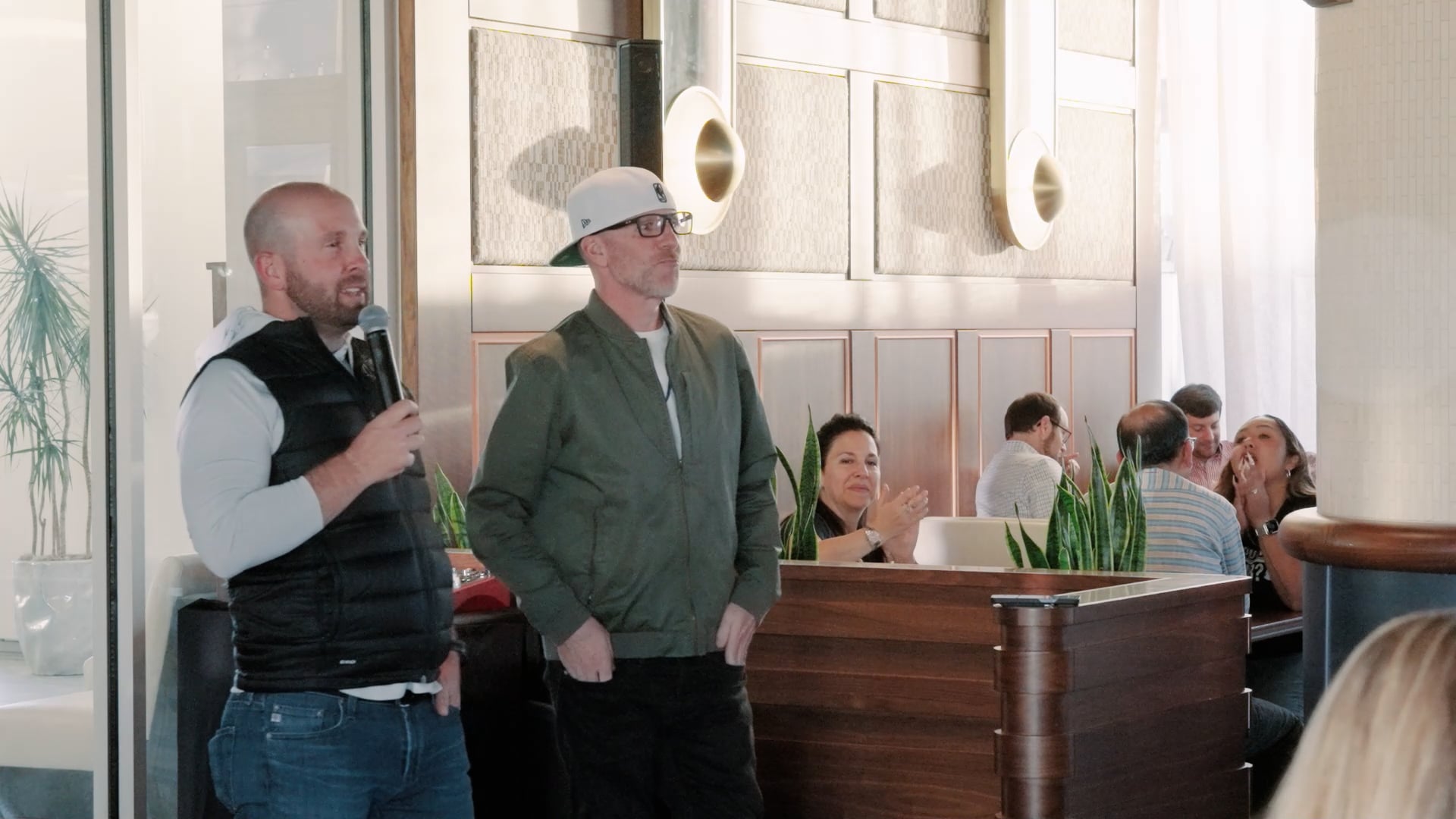
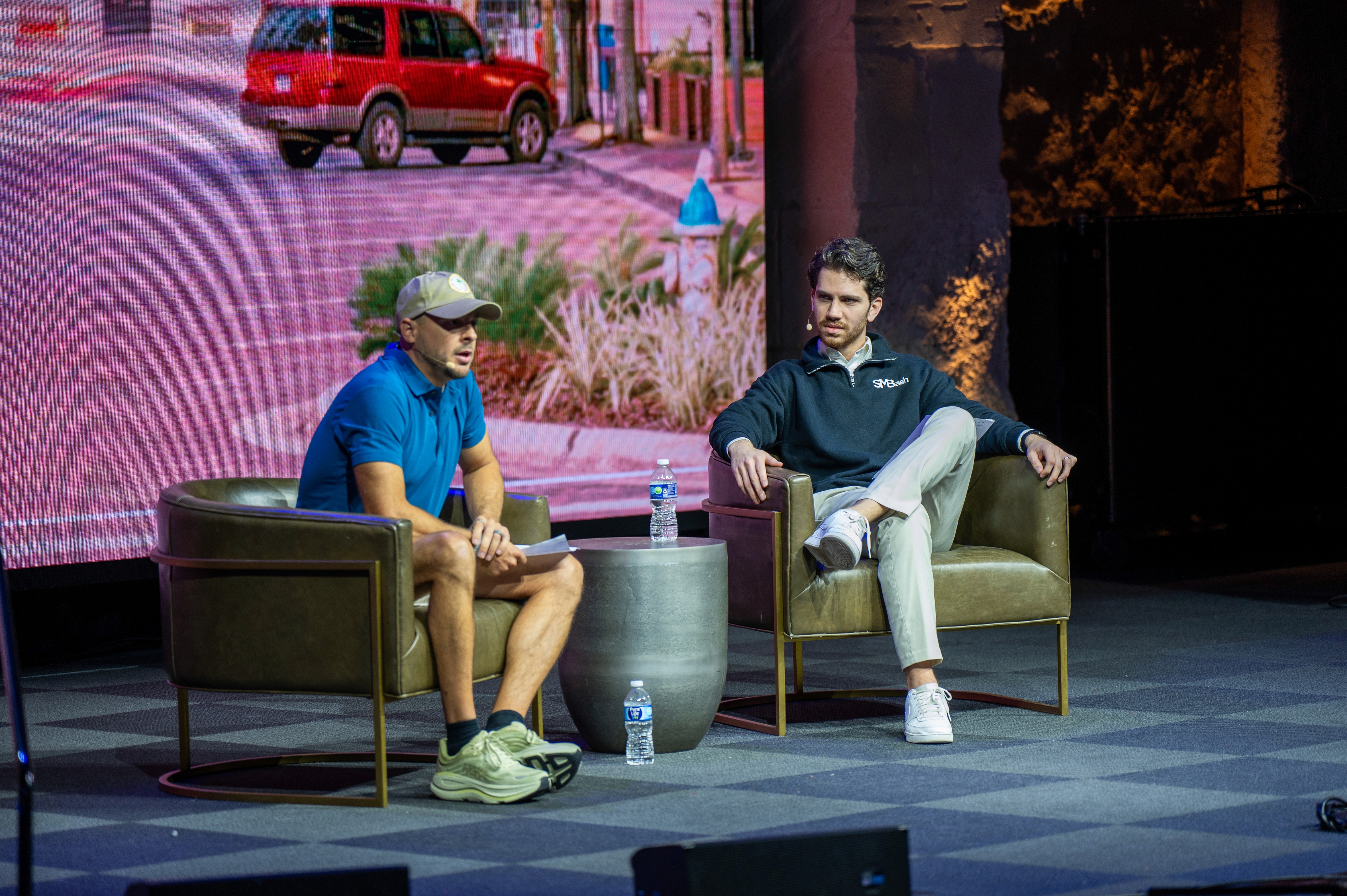
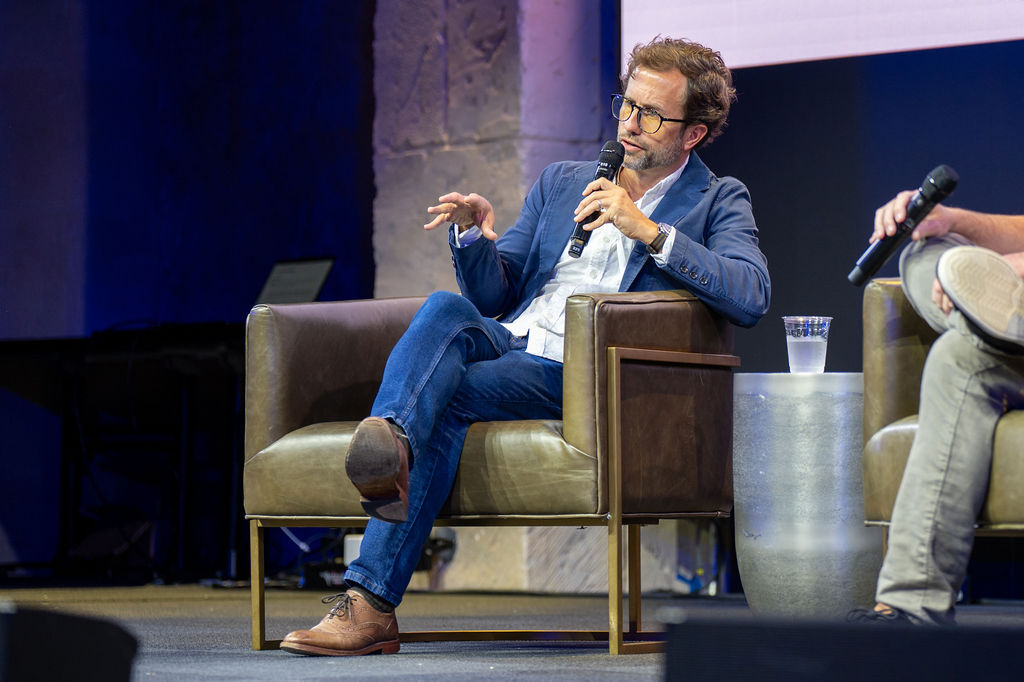
Alright, we're about to get started. This should be a fun panel because we have current operators who've been through the SBA process with some experienced lenders. This is how self-funded searchers partner with SBA lenders. To kick things off, I want everybody to give their background so we can set the scene. Then we're going to dive into stories of broken deals, walked-away-from deals, and closed deals. Matt, why don't we start with you.
Matt: Thanks, Drew. Matt Dsky with Byline Bank. I'm an SBA lender. I've been there for 12 years next month. At the start of my career, I did all sorts of different loans: startups, expansions, real estate deals. About five or six years ago, I started to focus on self-funded search. I accidentally stumbled into my first search deal, and now it's all I do. About three years ago, I formally started the self-funded search vertical within our bank. This is my third year on the panel, and we've never done this format before. I think you'll get some real benefit out of it.
Justin: Good to be here. I'm Justin Roy. I recently closed on an acquisition a couple months ago after two years of searching as a self-funded searcher. We had a couple of deals that got close, and we'll talk about that. Prior to search, I was in private equity. I've been working with Matt closely for most of the time searching, and we've had a great partnership.
Nick: I'm Nick Kalik with Huntington Bank, an SBA lender. My career path took a twist. I was in the army for 12 years in public affairs, broadcast journalism, and combat photography. Then I worked for the SBA for a few years, which was an interesting experience. Ultimately that led me to Huntington Bank. I started in corporate communications and transitioned over to business banking as a business banker in Columbus, Ohio. Then I moved to our national SBA team and have been doing that for the last four years.
Landon: Landon Hawk. About two and a half years ago, I purchased my first business with an SBA loan from Nick. It's a pallet manufacturing company here in Dallas. Prior to that, I was in oil and gas for about 10 years at a major and then a PE-backed startup. After we sold the startup, I took some time off. A couple of friends were looking at buying businesses, and I got into that with them. I put a couple offers out, and when I found the company I ended up getting, I felt right from the start that this was what I wanted. I liked the company and the seller, linked up with Nick, and closed pretty quickly.
Drew: One of the first topics I want to cover is when and how to walk away from a deal versus when to commit. For those who've been under LOI, that middle exercise of going through diligence and getting to the place where you're going to close, you've probably incurred expenses, and it gets harder and harder to walk away. Justin, you had a deal before this one where you got further along and had to walk. Share what went into that decision.
Justin: Incredibly hard and difficult process. In a typical deal, when you're early under LOI, do a QoE, and have some findings, it's not that painful to walk away. The deeper you go, the more painful it is. This particular deal was a telecom service provider that I fell in love with early in my search. I hit it off with the owners. The private equity firm I had worked at had looked at a deal in the industry, so I had proprietary research that built confidence in a thesis. There was a gap in price expectations between the seller and what I thought it was worth. From first meeting them to going under LOI was about nine months. I ended up backing out the first time early on, which wasn't painful.
The next year, the business had grown. I got it at a lower price and was really excited. As part of underwriting with Matt and his team, questions came up that had originally been on my radar. There had been some regulatory things I had gotten comfortable with originally that I had to take another look at. I got comfortable again, I had supportive investors, and the bank got comfortable. We went into underwriting and started accruing legal fees and documentation.
At the two-yard line, the regulatory environment shifted again. The seller was willing to roll equity. The seller wasn't worried about it. My investors weren't worried. But I'm the one doing the PG. I had to be the one with my wife on a Sunday evening doing the soul searching to say, is this something we want to do? Is the risk worth it? Ultimately, I decided it wasn't. That's hard. The diligence expense is hard. Starting the search over is hard. But just as hard for me was that I had built a really good relationship with these sellers, and it was disappointing for them too.
One of the lessons learned, and Brent mentioned this earlier today, is you'll never regret not doing a good deal as much as you'll regret doing a bad deal. Where was I willing to risk? Also, just trusting myself. Even though I have supportive investors and can make a case for why it's going to be fine, at the end of the day, I'm the closest to the information and I need to make the decision and own that.
Drew: Landon, you were close to walking away from the deal you ultimately purchased. Talk through that emotional feeling and the balance.
Landon: For me, it was fatigue from doing all the diligence. Little things would pop up. I had budgeted the price we agreed to and built in some contingency, but you have to get a lot of things lined up before you close, like insurance. My insurance ended up being a lot more than the existing owner's because I was a new owner. There were a lot of little things I didn't budget for properly because the cost for the seller was better than what I was going to get as a new owner. Those were adding up, and at a certain time I was thinking, gosh, should I even do this? The amount of money I was putting down was 70% of my savings, 80% of all the money I had.
What got me through it: before I even went down the path, once I found this business, I had a criteria of what I was looking for, and I knew this met that criteria. I had to keep telling myself that. I knew there were going to be bumps in the road. It was a mindset I set up before I went through the process. There were times I thought maybe I shouldn't do it, but having that mindset from the start of, yes, I want this and I'm going to do what it takes to get it done, that's what got me through.
Drew: Nick and Matt, can you talk about your perspective on a searcher owning that mentality?
Matt: When I was listening to Justin's story, which I was part of, it was kind of a sad story, a broken deal, but there are silver linings. Justin built up major street cred with our credit committee members. Subsequently, there was a three to four month gap before we came back with the next deal, and they remembered that he walked away. We were less than a week away from closing on that first deal. There's a perception, although incorrect, from our committee that people are just going to lean on the bank for diligence, and if the bank says fine, they'll close. It made a difference in the next deal and made getting Justin's deal done easier.
Justin: It's funny you mentioned that, because Nick told me last night for the first time too. When I was trying to get an SBA loan, I thought the bank was going to be looking at the financials and the deal. I didn't realize a big chunk of the bank's decision is their confidence in the actual person, their experience, how they act, and how they respond.
Nick: It's a huge sign of confidence and business acumen. If a buyer can identify red flags on their own, it shows they're doing diligence. A bad deal for the buyer is a bad deal for the bank. Identifying those things on your own is a great sign that you're ready to be a business owner. A lot of times, especially if there aren't a lot of opportunities, buyers get married to a business and will look past red flags because they don't want to start the search again. Just because it's the only one out there doesn't mean it's the best decision.
Matt: Searchers often underestimate how big a part of the deal they are. We're cash flow lenders, and cash flow is important, but by the time most folks bring a deal to us, you've figured out the cash flow. It's pretty rare that a searcher brings a deal where the cash flow is way off. When I'm in credit committee, the biggest thing we talk about is the buyer. I asked Justin at one point to give me a one-pager about why he loves this business and why he's a great fit. I slide that right into our underwriting. Don't underestimate that you and your experience, thoughts, and perspective on the deal matter a lot.
Drew: Landon, talk about how you felt with the list of tasks you had to get done.
Landon: There are a lot of things to get done, and there's not a list you can find somewhere. You find it from different people, from the seller, what you have to sign up for. The bank has its own list, and hopefully you have a good business attorney. Those are the three places I looked. My business does our own delivering, so it came with five semi trucks and a bunch of trailers. I had to get signed up with the DOT and Texas DMV. There's a lot of regulatory stuff. It can add up, and there's no guidebook.
Nick: From the lender's perspective, the buyer plays a huge role in closing. The bank provides a list of closing conditions that need to be met to meet SBA requirements. As a borrower, you need to work diligently with your lender, attorneys, seller, and all parties involved. We move at the speed you do. Landon was the picture-perfect buyer, on top of everything, got things done quickly. This is likely the biggest purchase of your life, so you probably don't want to take a three-week vacation to the Dominican Republic in the middle of closing. There's a constant cycle. All the way up to the day before closing, there are small tweaks. You need to be flexible, available, and responsive.
Drew: SBA rules change. There were changes that happened in the middle of your deal, Justin. Talk about how that changed your deal.
Justin: The original change that allowed seller rollover happened about the time I was launching my search. Coming from private equity, it was top of mind. I agree it's not a good idea in a lot of situations, but my first telecom deal was a really good fit. That was a stock deal. The business I ultimately acquired is an outpatient mental health clinic. Like a lot of healthcare companies, the legal entity has to be owned by a licensed professional. We needed to do it through an MSO structure, so we couldn't do a stock transaction. The SBA rules at the time required special approval by the SBA for an exception.
A lot of lenders would have said no, not interested. But Matt got some of the legal experts the bank worked with on the line to understand the risk of taking it through the process. We couldn't go to the SBA upfront and ask if they'd approve it. You have to do all your legal documentation, get the whole package ready, and submit it. I had just come off the other deal at the one-yard line. I was thinking, you've got to be kidding, I'm going to spend a bunch of money again with the risk that some bureaucrat in DC vetoes it. Matt was a great partner, and we decided to do it.
Then close to close, the rules changed again. Initially we thought it was good news because it would now be allowed in an asset deal. We were high-fiving for a week. Then it came back that upon further interpretation, any new owner of the entity, regardless of percentage, regardless of material ownership above or below 20%, had to be a coborrower on the loan. I had investors who would be 5%, 10% collectively. All of a sudden we couldn't do that. Luckily I was able to pull together the equity myself. If it had been a larger deal, it would have been dead in the water. If I had to raise a million bucks, I wouldn't have been able to. Things can change. You have to go eyes wide open. It helps to have a lender who's up to date and is a close partner working through the nuance of the SBA.
Matt: Every loan has changes between approval and closing. We have a document called an amended authority that memorializes those changes. Some are more material. The way I think about it: if it doesn't materially change the cash flow or the spirit of the approval, we're flexible. An example of changing the spirit: if we approved thinking it was necessary for the seller to be involved in rolled or retained equity, and then they said they weren't going to do that, that's a material change. If the seller comes back and says they agreed to a two-year standby but now want one year, that may change cash flow calculation. Think about it in terms of materiality of cash flow or change to the spirit of the approval. Most good SBA lenders and institutions know that if you want to get loans closed for people, you need to roll with it.
Drew: Landon, talk about the working capital changes in your deal.
Landon: It was my first time, so I wasn't anticipating everything. I knew I'd need working capital, but for a lot of my search I was thinking, how much cash can I put in, and how big a business can I buy? It was kind of, worry about that when the time comes. Luckily, this shows you want to go with an experienced SBA lender. Nick had it built in. We had a little in the permanent financing and got a letter of credit pretty easily towards the end. About a week before, I started thinking, my customers are on 30 days, my vendors are on 30 days, but payroll is not 30 days, you do that every week. I could be stretching myself thin right at that 30-day mark. We built it in, and I paid down the line of credit in a few months.
Nick: You can never underestimate working capital. If you estimate a number, juice it up because there are unexpected costs. Unless you're doing QoE to figure out real working capital needs, look at the financials, cash flow cycle, and figure out how much you'll need on day one. We give every SBA borrower a line of credit and build in permanent working capital that goes into the business checking account on day one. Not every deal comes with cash. You need to operate on day one.
Matt: Searchers, don't be afraid to advocate for your idea of what proper working capital is. There are people I could bring up here who would tell you they wish they'd pushed harder on us for more working capital. Advocate for yourself.
Drew: Justin, talk about the proof of funds concept with investors.
Justin: On my deal I ended up not being able to have investors. About seven or eight months prior, my partner did another acquisition in the mental health space, and I was a minority owner and part of that fundraise. Byline has since changed their policies, but at the time they had to season any equity coming in. They looked at 90 days of bank statements to make sure there was no money laundering or fraud. We had four or five investors, and it was a painful process for different people for different reasons.
One investor was a high net worth private equity leader I had worked with, worth hundreds of millions of dollars, who had done very significant investments. This was his first SBA loan. When I gave him term sheets and operating agreements, he said, this is an I-trust-you deal, didn't read any of it. We were working with his wealth manager, and it was painful enough that I was very sensitive to that relationship. He was investing out of a family trust with different legal entities and names. They were basically wanting to do a colonoscopy on his hundreds of millions of dollars of assets. For someone who does multimillion-dollar investments with a simple signature, a few hundred thousand dollars with much higher scrutiny, he sits on public boards of publicly traded companies, SEC accredited, asking what is going on here. It's not great to feel like you're putting someone through that who's doing you a favor.
Understand from your bank what's going to be required. Byline's changed their policy, it's 30 days now, a lot lighter. Set those expectations and build in timeline. We thought we'd budgeted plenty of time, but there were enough questions and going back and forth that we got delayed a couple of weeks. We had already scheduled the employee announcement, the seller was flying in from out of state and didn't want to cancel. My partner who closed the deal held that employee announcement before the wire went through, sweating bullets. The wire came through at lunch that day.
On the deal I closed, similar situation. There was a typo in the lease agreement, and for it to be SBA compliant, we had to get the landlord, an institutional asset management company, to clarify the typo and resign over the weekend. Things will come up. Budget time.
Matt: No matter how much documentation and back and forth you anticipate, it's going to be a lot more in the last 10 to 15 days before close. There are things you can't do ahead of time: notarized signatures, landlord agreements, finalizing working capital, drafting loan documents, finalized executed purchase documents. The SBA puts that on us as banks.
Landon: Landlord stuff is important. Part of an SBA loan is your lease has to be coterminous with your loan. I couldn't just get the lease assigned, I had to get an extension as well. I was negotiating that extension while trying to close.
Drew: There was a difference in structure: equity rollover versus seller note. From the lender perspective, Matt and Nick, how do you feel about the incentive tied to equity rollover versus a note?
Nick: The ultimate goal is keeping the seller with skin in the game, whether it's a seller note, forgivable seller note, diminishing seller note, or rollover equity. Especially if you're going into an industry you don't have experience in, the best way to mitigate that and provide reassurance for you and the bank is keeping the seller. If they retain minority ownership, that looks really good to the bank. You're buying historical cash flow created by the seller. The seller stays on, the business continues running the same way. You're the majority owner making decisions, building strategy, growing the business, but you can lean on them like a consultant. With a seller note, especially a forgivable seller note with metrics, the seller will make sure it's a seamless transition because they want their money back. It's a huge risk mitigant from a bank standpoint and for you. Depending on structure, you might not be paying right away, which is additional cash flow.
Matt: When we miss it, it's most often issues with the seller post-close. Anything you can do to keep the seller engaged in the business and your success, you'll do yourself a lot of favors.
Drew: Final question, what would you leave the audience with?
Justin: For those self-funding a search, especially full-time, budget more time than you think you need. Budget more time for a deal and more money. Be conservative, give yourself time, work closely with your lender to avoid lost time. As hard as it is, and I did a bad job of this, try to keep your pipeline going even when you're under LOI doing diligence, because you never know what's going to happen. If you walk, you don't lose four months.
Landon: Talk to lenders early so you know what you'll need to give them. Once you have an LOI ready, you can tell the seller exactly what you need. Start early rather than later. As far as picking an SBA lender, I talked to a couple. You want somebody who does a lot of these. I talked to a guy at a local bank who did them, but when I asked questions, he didn't always have the answer. On fees, he said they'd have to outsource a lot of due diligence and couldn't tell me what it cost. Watch out for loan fees, they can creep up. Nick told me exactly what it would be, went over everything they do in-house, and that made me comfortable.
Justin: It's important to have a lender who knows their criteria, who you've worked with enough to put an LOI together with confidence. It helps when you're submitting offers and talking to sellers. You need to know what you're talking about, measure twice and cut once, and have confidence you can get the deal done. The self-confidence in talking to the seller that I know I can get this done, I've got the bank, that relationship matters, rather than shopping it around to five banks.
Nick: Find a lender you trust who knows what they're doing and understands SBA. Find someone you like to work with, who's respectful and communicative. You're going to talk to them a lot. Get them involved as early as possible to structure deals that are SBA compliant. Seller notes are not all written the same, and elements may not be SBA compliant. Get engaged with a lender to learn the ins and outs, get them involved prior to your LOI. You can write an LOI for whatever you want, but if you can't find financing, the LOI isn't worth a lot. They're a critical part of your deal team.
Matt: Different track. If you experience any dishonesty or trust issues with the seller pre-close, it's not going to get any better after you give them a couple million dollars. Run away. Warren Buffett said you can't make a good deal with a bad person.
Drew: Let's open up for questions.
Question: Is there a rule of thumb on how to handle deal fees, like platforms that charge a buy-side fee on a $5 million deal? How should we think about that, and other deal fees?
Matt: I always have a line item for buyer due diligence costs in our sources and uses. That covers QoE, legal, other deal fees. You could also build it into the working capital ask if you have to outlay a big payment for a buy-side fee. It's either within working capital or within buyer due diligence on the sources and uses.
Nick: Think of fees as optional fees you have control over, like diligence fees, and ones baked into the deal. Bank fees are pretty minimal, maybe ten grand. SBA has a guarantee fee, and you've got to bake it in. With high leverage, high loan-to-value, it gets really hard. Theoretically you might pay slightly less and bake it into the purchase price you're willing to pay. Work with your lender to bake it into the sources and uses upfront.
Matt: The SBA guarantee fee is fixed, not different lender to lender. Our closing costs are itemized: search, business valuation, all on there. For a non-real estate transaction without environmentals, title work, and surveys, it's usually around $10,000 give or take.
Question: Is working capital mainly a line of credit or actual cash?
Matt: For us, usually both. Most deals have term working capital inside the term loan. You hand us a check for your equity injection, we hand you a check back for working capital that you put on the balance sheet so that first payroll can come out. We typically also provide SBA Express lines of credit that go along with the term loan, undrawn at closing, that you can draw on after the fact.
Nick: Remember, with permanent working capital you're paying principal and interest after closing. With a line of credit, you're paying interest only for a certain period, typically five years, and only if you use it. Typically a 10-year term, first five years interest only.
Question: How do you think about buyer credibility for an independent sponsor type deal where they place different operators?
Matt: I've done a few of those, usually with very high net worth individuals where if something happens, we're not worried about the loan. It's a rare deal. Typically we wouldn't be okay with that. The SBA program is an owner-operated program, not passive investment.
Nick: We want you to run the business. You're putting the equity in, we want you to be the day-to-day operator. The SBA program isn't meant for passive investment.
Question: What's the threshold where conventional debt starts versus SBA?
Matt: SBA ends at $5 million. We do something called pari passu where we can accommodate larger structures, going to maybe $5.5 or $5.75 million in senior debt. Conventional debt can be any dollar amount. It looks different from SBA. In a typical SBA deal you might have 5 to 15% equity, where in conventional you'd put 30 to 40%, sometimes 40 to 50%. You'll get a more attractive interest rate but a shorter amortization period.
Nick: One thing to add, the SBA just changed. The $5 million cap used to be per person, and you'd have to pay it down to get another SBA loan. Now you can get multiple $5 million loans as long as the businesses operate in different NAICS codes. You could buy a $5 million HVAC business and a $5 million marketing business. You have to meet the requirements: liquidity, a good management plan for running two businesses, post-closing liquidity. Separate transactions, not one.
Question: Are there policy exceptions for not taking your home as collateral?
Nick: The SBA mandates that if you have 25% or more equity in a piece of real estate, we have to take a second lien on it. With the exception of Texas with the homestead, we cannot take your primary residence. We can take investment real estate. If you have a HELOC that takes equity below 25%, we wouldn't take a lien. If you have 25% or more, it has to be taken as collateral.
Matt: That rule can be different lender to lender. Even though they don't have to, certain lenders may still require the home. It's just not an SBA requirement.
Question: What if the home is in a trust?
Nick: Ultimately depends on the trust outline. Legal would review. If it's revocable or irrevocable, that may change the analysis.
Question: Are there prepayment penalties on SBA deals?
Matt: Not for 10-year business acquisitions. A real estate deal that's 25 years has a 5-3-1 prepay penalty for the first three years. Typical 10-year business acquisition search deals, no prepayment penalty. That's required by the SBA, won't be different lender to lender. Year one, 5%. Year two, 3%. Year three, 1%.
Drew: Thank you so much. Quick announcement: we have a happy hour upstairs, please enjoy beverages and check out the sponsors. There's also a Women in ETA gathering in the room with the buffalo. Free headshots are being done upstairs too. Thank you to our panelists.