PLAYLIST PRESENTED BY

An NFL QB on Walking Away From a Deal at the One Yard Line
Description
Jeff Driskel, NFL quarterback turned independent sponsor, breaks down why he and his brother killed a signed acquisition the week of close after a 35% concentration customer was sold to a billion dollar national home builder. A candid look at self-funded search, SBA-backed deals, raising capital from former teammates, and the trust required between investors, searchers, and operators in entrepreneurship through acquisition.
Recent Videos
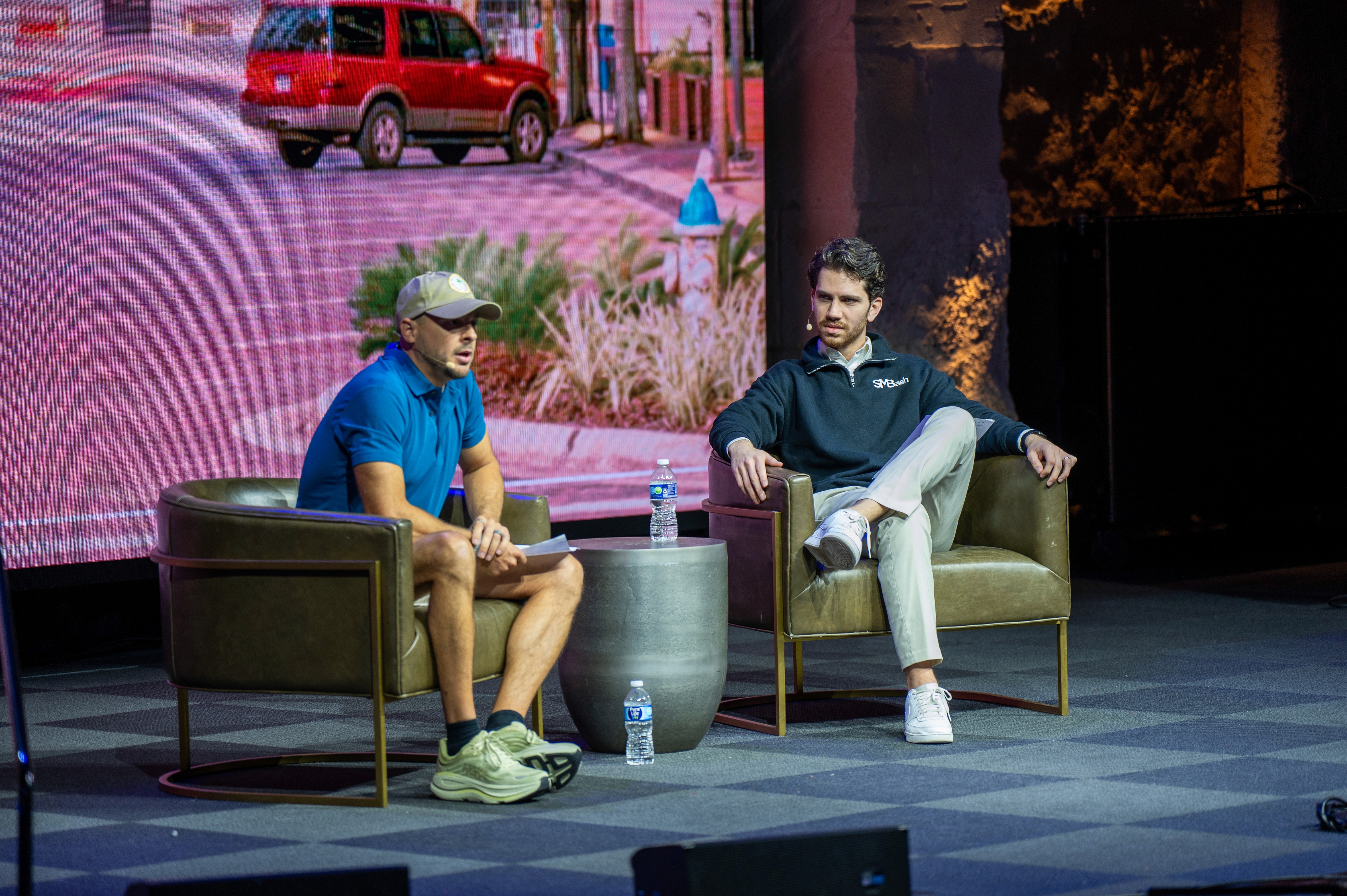
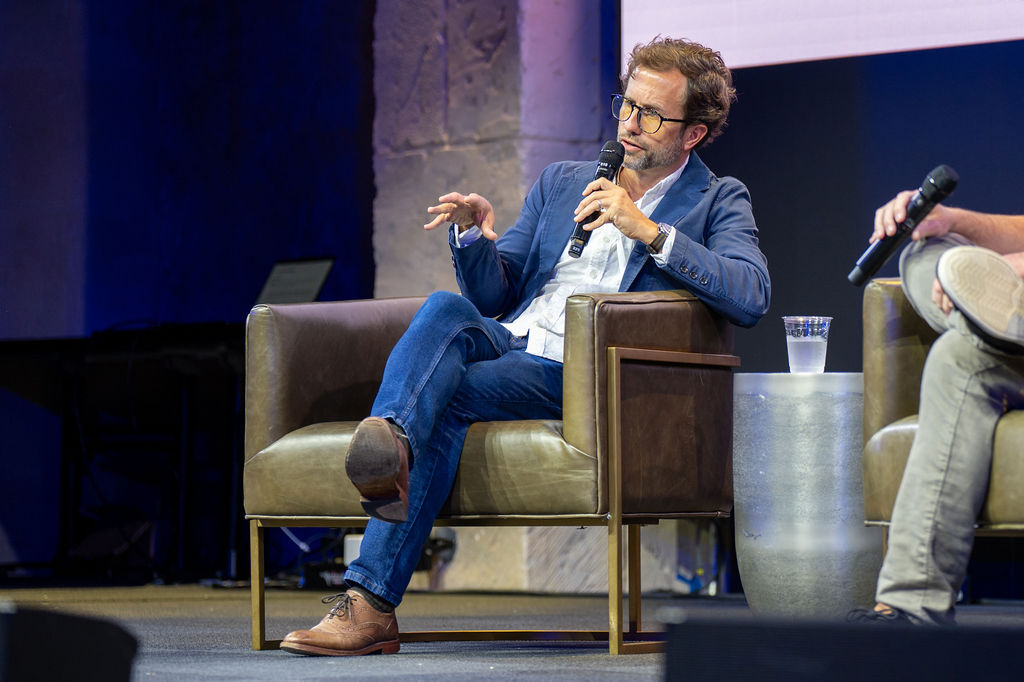
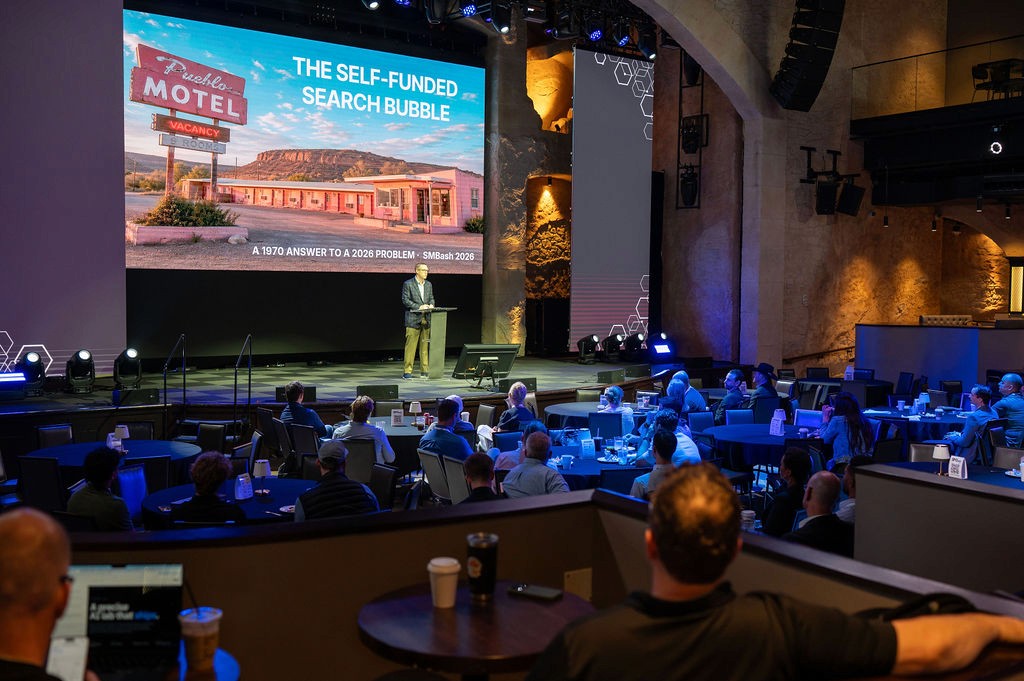
Transcript
Really excited to have Jeff Driskel here. Jeff is a current NFL quarterback, so he's definitely the coolest one at this conference. Sorry, Brent. Jeff also now works on independent sponsor deals with his brother Jason in the off season. I'll let Jeff tell us a little bit more about what he's doing.
I hope I'm a current NFL player. I'm a free agent right now, just finished up year nine, but hoping to still play. Like you said, we've stood up an independent sponsor shop using the self-funded model where we find operators, raise the money, find good deals for them, and support them post-close. There are iterations of where you're going. We've gotten some good feedback on our model, and some bad feedback. But that's where we're at right now. We're super excited about it. I really enjoy working with my brother.
So tell us about the deals you've done so far and what's on the horizon.
In our independent sponsor venture, we've done zero deals. Our goal was always to start small and move up, but we have to prove ourselves along the way. The first deal Jason and I did was I was the equity, I wrote the check, my brother operates. That business is going well. It's an accounting and bookkeeping company. We've owned it for about 14 months, and Jason's crushing it. Right now we're working with two operating partners. One is an agnostic search, one is very focused on industry and geography. We're under contract on a roofing company in central Florida, and we're hoping to close in the next month or so.
With those searchers, talk a little about your model. Are these folks you zeroed in on as great searchers you'd love to back, or are you guys finding deals and then sourcing the searchers?
It definitely starts with the operator. When my brother and I started in this world two years ago, it was always a means to an end, the end being raising capital, having a holdco, or being an independent sponsor. But to get there, Jason had to free up his time. He's the brains of the operation. I have unique access due to the NFL logo I carry around. I get us in the door, and he dominates the room once we're in.
Over these past two years, we've had so many conversations. We were excited to share what we were doing. When you tell enough people, some will say, I would love to be that searcher. The two guys we're engaged with right now didn't know much about the search world, but they knew they wanted to run their own business. We said, we want to handle a lot of the front end work and prevent them from becoming professional searchers for one to three years. They're people we know, people we trust, with different backgrounds, and the businesses we're looking for are tailored to their skill sets. But it always starts with the operator.
What are you looking for in those individuals, aside from the businesses themselves?
It starts with trust. When I went to the bootcamp Sam runs years ago, I was looking for a silver bullet. Like, what's the actual model, the perfect spreadsheet? Over the years, you hear it enough, you believe it, and you believe it because it's true. It starts with trust. They have to have done something exceptional in their professional career, or be really focused on an industry, speak the language, and have done well there. We're looking for good people, hardworking people, willing to put a personal guarantee on the line and have skin in the game with us. There are people I trust that I don't want to work with. We go through a long process before we officially start a search and say, what if this goes wrong, what if that goes wrong. We iron it out. It's people we want to be in the trenches with and people who believe in us as well.
The topic here is deals dying at the one yard line. That's something not talked about enough in search or in private equity work. Tell us the story of the deal you had to back out of at the last minute.
I wish you guys invited me up here to say I closed three deals in a year and they've all done great, not to tell the horror story. One of the guys we're engaged with, we found a business last year, around March or May. It was a distribution and installation company for custom homes in the Jacksonville Metro. Beautiful showroom, really nice retail space. It was doing around 10 or 11 million in revenue. SDE was around 1.8 million. We got it under contract at like a 3.3 multiple. It was a nice business. We trusted the seller, he was a good guy, we were aligned. We were excited about the levers this operator could pull post-close.
How did you source this deal?
Years back when I first got into this world, I started making connections with local brokers. There's a massive list most of us have access to of brokers doing deals. I did the legwork, the emails, the cold calling. Some were really good, some really bad. I refined my list and built a process to engage with them, go out to lunch every so often. Any deal we've done has been a brokerage search, but most aren't on the websites. It's, you've been talking to me for a year and a half about these deals, are you still in this world. We have staying power, we're front of mind due to the NFL angle, due to having closed a deal before, and the constant touchpoint. It wasn't a super competitive process for the deals we really engaged in.
This target is pretty drastically different from a bookkeeping firm. How did you get comfortable with that?
The operator is the first piece of the puzzle. We do the same process with our operating partners. What specifically do you want? My brother worked in the white collar world and wanted the safety net of recurring revenue, recession resistant, sticky clients. The fairway deal. He's a little more risk averse than other searchers might be. Accounting and bookkeeping made sense to him. Our other operating partner said, I want something with very obvious levers to pull. I want it on the upper end of the self-funded search deal. It was 1.8 in EBITDA, but there wasn't a formal sales team, it was all word of mouth. So that was the lever, recruit a sales force, train them up, get active in the community.
When do things start getting rocky?
There's always hair on the deal. There's no perfect deal out there. In this deal, it was new construction exposure, custom homes in Jacksonville. But also heavy customer concentration. The biggest customer was doing about 35% of revenue. From day one we knew that. So we asked, are we moving on this or not? If we do, we understand the risk and need to put protections in place. We talked through what kind of note the seller would carry, and got comfortable because of the protections in place with a recoverable seller note.
So you got comfortable with the customer concentration. When does that change and why?
We were going through this deal for a long time. The seller went out of the country for three weeks right in the middle of negotiating the purchase agreement. Right when we got close to agreeing, he said, this vehicle I thought was part of the deal, my son's going to keep it. So delays. Finally we agreed on everything. The purchase agreement was dated for a Friday. This customer, the custom home builder who was 35% of revenue, sold to a billion dollar revenue national home builder on Tuesday. The deal changed dramatically.
This was the week of closing. You'd already raised capital. Investors were excited. They sent the money over, we sent it into the bank, and then this happens. We went to the seller and said, this is a fundamentally new deal. This is a national home builder with deep pockets. The mom and pop working relationship is gone. They're going to either squeeze us on pricing and our margins go way down, or if they don't already have this in-house, they'll figure it out and bring it in-house as they move into the new market.
Talk through the initial analysis. 35% isn't outrageous customer concentration but it's material. How did you get comfortable before this happened?
The question is, tell me about the relationship. Both parties needed each other. The custom home builder was very reliant on this distribution and installation company because they worked well together for a long time, moved quickly, understood pricing, had people working well together at different levels of each organization. That relationship was important to both parties.
Did you get a sense of how reliant the customer was on your target?
There were no exclusive contracts in place, but the seller gave me access to the customer too. They said, we work exclusively with them not because we have to but because we want to. That's rare. The seller believed in this customer. He said, when I walk out the door after a transition period, if you keep doing what we're doing, they're going to keep giving you more business because they work well together. It's not just me and their owner, it's their field guys and our field guys.
So bring us back to the final week. You're inside the five, approaching the one. How did you learn about the sale?
I read it. I was doing my market research for the five months we were under contract. I followed all the Twitter pages for builders. It came across Twitter that this company was bought by another company. It was a press release from the Jacksonville Post or whatever.
Did the seller blindside you?
My question was, we gained trust with this customer, why didn't you tell us? They were under an NDA with the buyers, so they couldn't disclose. Fortunate we found out before close. It could have worked out really well, we could've gotten in front of the new owner and they could have sent more business. But inherently the deal became a lot more risky and the seller wasn't willing to renegotiate.
How did you grapple with that emotionally? You're so far in, about to close. Talk about deciding to pull the funds.
It goes back to we raised outside capital. We didn't do that on the first deal. It was our responsibility to steward that well, and we couldn't just do the deal and hope it works out. If it was my money only, maybe. But with other people's money, we weren't willing to do that. We were willing to eat the deal fees and not do the deal and explain to investors why we pulled out. We thought it was the right decision. Hopefully you work with us again. We're not willing to put your money at risk. The operator might say, I'm so good I'll figure it out. We just weren't willing to do it.
How do you manage that as an individual? You're competitive, ambitious, about to close your second deal.
Our long-term goal is to be independent sponsors or raise a fund, maybe both. We always wanted to build out a track record. We never wanted to elevate ourselves to, hey, we're going to raise a $10 million fund because I play in the NFL and I can do anything. We have to build a track record, and if deal one doesn't go well, it's hard to overcome. We were more worried about our reputation and delivering to investors than just getting that first deal done.
Any feedback from investors you're comfortable sharing?
It was overwhelmingly positive. They essentially said, thank you for making that decision with my money. You very well could have done the deal, but thank you for making that hard call and eating the costs. You've proven you'll make wise decisions and not just act because the money's burning a hole in your pocket. It doesn't mean they'll all invest in deals down the line, but when you give people their money back, they're typically pretty happy.
What's your biggest takeaway?
It's a long game. It was an early hurdle. Early hurdles are harder to overcome than hurdles down the line when you have a track record. But you're not out of the race if there is a hurdle. There are going to be challenges, dead deals, deals taking longer than you thought, challenges within operating businesses. Within the accounting company there have been challenges we didn't see, and we got to overcome those. It's not what if problems happen, it's what are you going to do when they happen. You might not know the answer before, but if you're in bed with the right people, there's a greater likelihood of a better outcome.
Lessons learned applying going forward?
The customer concentration issue is the big thing that slaps me in the face. I'm really dialed into that when looking at deals. Just because there's language in place to protect you on the downside doesn't mean it's a catchall. Even if we didn't get the revenue and we knew the seller note, we didn't have to pay it, it's still a much smaller business than before, and we're paying a multiple for a bigger business that no longer is. Even if you think you're protecting yourself in the language, there are still challenges. There's no way to protect yourself from everything. There's going to be a leap of faith in any transaction. But it goes back to people. I believe if we'd done the deal we would have figured it out. The deal was just a lot more risky, and we weren't willing to risk other people's money.
Q: Do you know if the seller transacted with someone else?
I don't know. We left amicably. I said, I'm willing to renegotiate, not pay what we agreed to before. He said, no, I don't want to do that right now. We left amicably and said, if this customer stays on, if there's less concentration down the road, we'd love to have a conversation. I don't know if he transacted or is trying to capitalize on the new owner of the customer.
Q: How did the conversation with the broker go?
He understood. From his point of view, he wanted the deal to go through and was selling me on the same point, that there's an opportunity for more business with the customer. I wasn't willing to do it. Since then, that broker has brought me more deals. We still have a good relationship. Haven't done a deal with him, but he understood it was a very reasonable thing to do, and I understood his heartache for spending time and not getting it done. Big vote of confidence to come back understanding the fundamentals of the decision.
Q: Tell us more about your model with operators and capital.
It's different. There are tracks already paved, but you don't have to go down them. Our eventual goal is to be independent sponsors on bigger deals or raise a fund. We're not so naive to think we can do that right now at a larger scale. But we have relationships with brokers, deal flow, we understand how to get a deal to close. Economically, we get a small part of the deal in equity for putting the deal together, finding the operator, getting it to close. Then we take a small fee post-close for support, because at the end of the day it's our reputation on the line. If all else fails, I will be running a roofing company. We're compensated in a small way for what we do post-close. Very uncomfortable conversation with the coach if that happens in October.
Q: Have you seen breakdowns between investor and searcher around equity agreements?
We've gotten feedback that says, we think you're taking too much. Some people disagree with our thesis inherently. Some say, we trust you, if you trust this guy we're in with you. Some have said, I need to talk to the operator. There's been feedback because it's a unique model. Where we started and where we're going to land is, the operator's going to get a little more of the pie than we initially thought. I agree with a lot of the investor feedback that this operator needs a bigger piece than we originally agreed to.
A lot of this stuff is iterative. Your second, third, and fourth deals are probably going to look nothing like your first. Especially with raised committed capital, you're committing to a structure, but it's pretty rare. You can iterate as deals go. One investor said, I want to make sure you and the operator are working well together long term. I want to make sure the operator doesn't have resentment that you guys have too much. That was huge. Resentment in any relationship is bad. We were very open to that.
Q: How do you think about bringing in a new operator versus working with existing founders rolling equity?
Great question. That's an avenue down the line, where you do a buyout and keep the owner operator with a rollover structure. Right now we're leveraging the self-funded model, and the SBA doesn't allow for that. We're working within SBA guidelines. We have the trust of the operating partners we're working with. We don't have that same trust with sellers. There has to be a level of trust, but it's not the same as guys we've gotten to know over an extended period and are committed to working together long term.
The rub with the rollover model is, when I'm coming in and buying a business, but to bridge valuation concerns, I say, why don't you keep 10% of equity. Where most of those relationships break down is when there's a regime change but someone is still involved and has a lot of trouble admitting they no longer have the power. That's different from the independent sponsor model where they're rolling equity but still as the manager. That dynamic shift, where you're coming in as the buyer, buying 90%, now it's the new buyer's show, the seller really struggles with it no longer being their show.
In our model, it's not the Jeff Driscoll show. We're going to be minority partners in deals, at least to start. We trust the operator who is the majority owner, and we're committed to working with him, giving him feedback, helping with long-term strategy while he's in the day-to-day.
Q: Are there conversations with NFL players interested in what you're doing?
We definitely have colorful conversations in the locker room. I was telling everyone in my network what we were doing for the past two years, and that trickles down to the locker room. Guys interested in investing outside their financial advisor and very conservative portfolio, in the locker room it's typically real estate and VC investing. Part of my mission is to introduce this asset class to professional athletes looking for yield outside of a more conservative portfolio. There are two buckets former college and professional athletes can fill. One is the operator bucket. The other is, hey, I made 50 million bucks, I don't want to take a personal guarantee, but I want this yield, and this model allows for that. Part of my mission is to educate folks and get more people interested in this asset class.
Were any investors involved early on other players?
In the first deal we raised for and didn't close, we had about 10 LPs, four were former teammates. On the roofing deal we're working on now, there are a couple guys who have played or are playing in the NFL. Again, it's relationships. These conversations have been over two years. The trust grows, hey, this guy knows what he's talking about more than he did last year. They understand the shared experiences from football. Professional athletes are very tight with their money. They're slow to trust outside people because they think they're targets for investments. They've heard the horror stories of investments going to zero.
Q: Lessons from your NFL experience with the Commanders applied to supporting an operator through a regime change?
For context, the Commanders, formerly the Redskins, had a reputation of a toxic culture. The owner was known around the league for not doing things the right way, not treating people well. That gets around quickly and trickles down to the players. Everyone knew, if you walk into the Commanders building, it's not going to be good.
About 18 months ago, Josh Harris bought the team. He's now the majority owner, hired a new GM, hired a head coach, and signed 43 free agents in the off season. For people who don't know, it's a 90 man roster in the off season, and there are typically 12 to 15 free agent signings. The Commanders understood the value of having the right people. It wasn't necessarily splash hirings, it was people who would help develop the culture, bring the young guys along, show them how it's supposed to be done. I was blessed to be part of that for one year, hopefully more. Seeing a vision executed so quickly was awesome. It goes back to people. Build the culture and the right people will want to come. The Commanders are now a destination for free agents across the league. It happened like that, all because of people. They have a lot of money to invest in resources, but everyone else does too. They leaned into culture and it's paying off.
One example: Saturdays are walkthrough day across the league, the day before the game. You go into the indoor facility and do a walkthrough. Usually it's, alright, everything has to be perfect. What the Commanders did this year was open it up to the family. There's a food truck outside, families on the sidelines. That's a minimal cost, but if my wife says, I really like the Commanders because of that food truck, and it gets me to stay for a fraction of what someone else would've paid, that's a huge win. Little things go a long way. It's clearly working. NFC Championship last year. I say that begrudgingly as a Giants fan, but the proof is in the pudding.