PLAYLIST PRESENTED BY

A Different Way to Own and Operate
Description
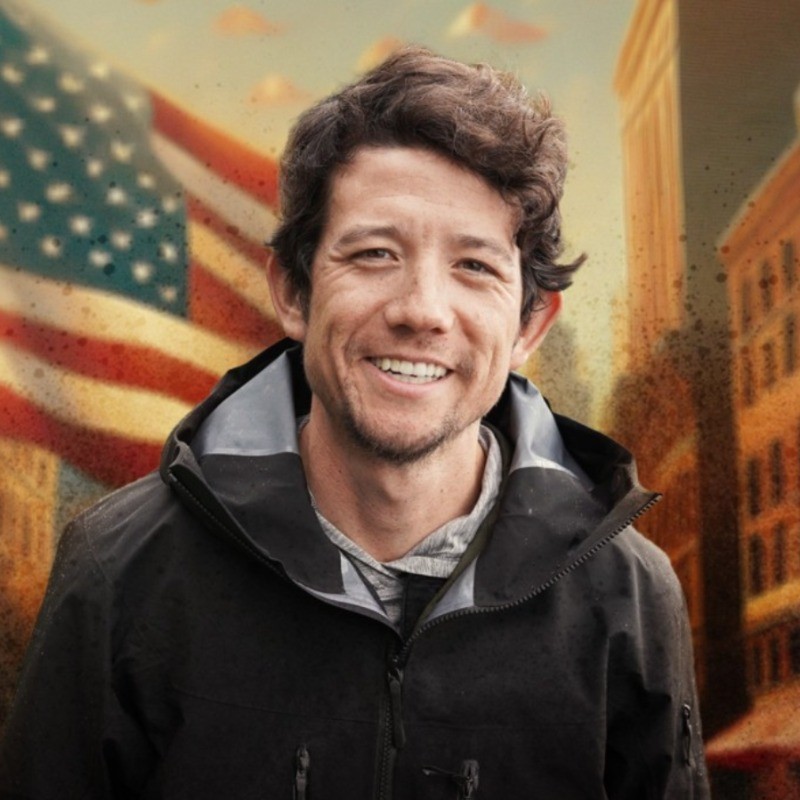
Joseph Cabrera of American Operator shares why brand and storytelling matter as much as the deal in entrepreneurship through acquisition. He breaks down American Operator's operate-to-own model, what owners really look for in a successor, and three practical tips for telling your story in a way that earns trust with sellers, teams, and communities.
Recent Videos
Transcript
Hey, y'all. Right before lunch. I was hanging out with a gentleman a couple of weeks back. He runs a burger shop in town, interesting character. He spent his first year or so, as we all do, just running the shop and working through things. One of the things he shared with me was a tradition they have. Every single person at the company gets a birthday cake. They actually bake it right there in the burger shop.
The only reason they started doing that is because his wife was working alongside one of their employees, and the entire time didn't realize it was her birthday. A little later, she finds out it's her birthday, feels awful, builds a cake, gives it to her the next day, apologizes, and moves on. That tradition kept going, and over some years they decided, we don't want to miss anybody else's birthday. So from now on, we're going to bake and deliver a birthday cake to every single person on our team.
One night, the gentleman gets back after a long shift, around 11:00 or midnight. His wife hands him a cake and says, you need to deliver this before the end of the day for so-and-so's birthday. He says, can this wait until tomorrow? She says, no, we've committed to doing this. And just so we're clear, the tradition is they deliver the cake and sing Happy Birthday. She says, before you're allowed back in the house, get back in the car, go to so-and-so's house, and deliver this cake.
So he drives over, rings the doorbell. The teammate opens the door, and he starts singing Happy Birthday and gives her the cake. He expected to just get back in his car and head home. But he started to see this individual emotionally moved. What he realized is that this person had no one to celebrate their birthday. This was their cake. There was no other celebration. As he drove back, something that just seemed like a chore all of a sudden mattered a little bit more.
Fast forward a couple of weeks, maybe a couple of months. He gets a call at 3:00 a.m. A teammate, the guy running the fries line, says, hey, I'm not going to be into work tomorrow. He says, what's going on? He says, I'm at the veterinarian. We've done all we could to help my dog stay alive, but he's going to pass, and there's not much more I can do. He says, well, is there nothing they can do? He says, well, they can, but I don't have any more money to put toward this, and they need a credit card on file. Whatever it is, there's no way I can afford it. He says, well, that's easy. Here's my card. Do whatever you need. If you don't need to be at work tomorrow, that's fine, but I don't want you to lose your dog on account of money.
That gentleman is Patrick Terry of P. Terry's. By show of hands, how many folks are local to or around Texas? So you've eaten at P. Terry's. Patrick Terry's built something special. When you think about why folks are so into this burger shop, sure, it's a great-tasting cheeseburger. But beyond that, I wouldn't say there's anything overly gourmet about it. It's a great stand. They built a brand and built community around what they've done, and they started with their team. Folks stay loyal to P. Terry's because that piece echoes through the entire company. Almost every teammate has a reason they've been there for so long, typically related to Patrick or Cathy Terry or somebody connected to both.
What I hope to do today is share a little bit about the importance of brand, not only from a company perspective, but from a personal perspective. For a lot of you in here who might be future operators or folks taking over businesses, that piece is so important.
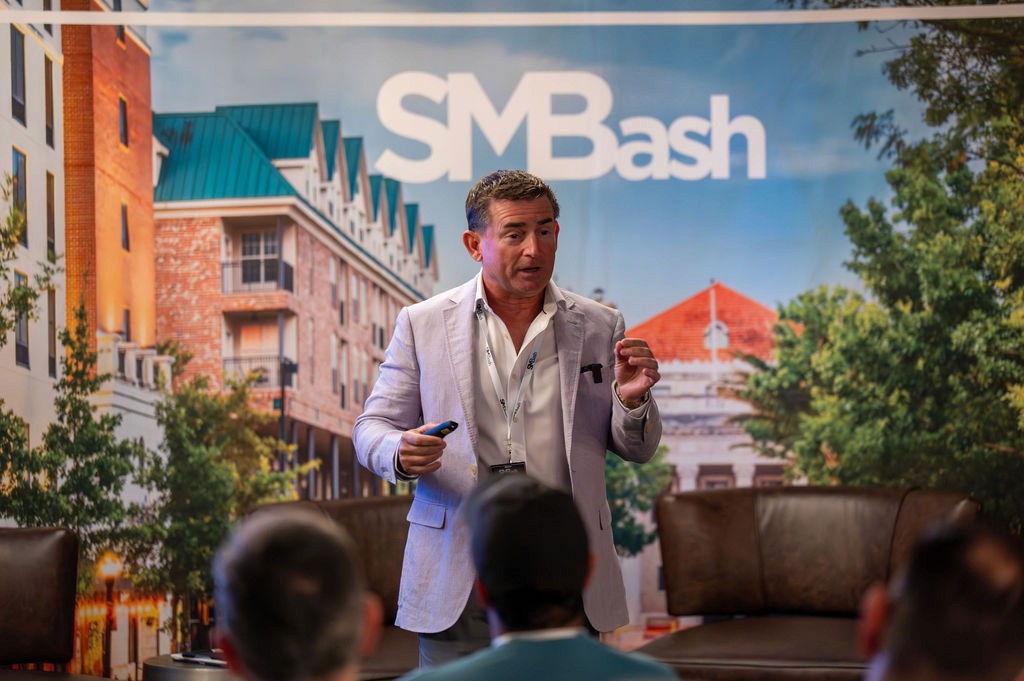
I'm Joseph Cabrera with American Operator. I'll talk about what we do and how we serve folks like you. I also want to spend time on the operator side, the owner side, what makes really great opportunities, and brand and storytelling. Jacob did a really good job at the beginning talking about how the old school people stuff is what matters the most.
What is American Operator? American Operator is an answer to what y'all are stepping into right now: the ownership seat. We've been around a few years. At the beginning, we were really just helping great owners find new great owners. Over time, we realized two big things. The very best operators, the very best new owners stepping into the seat, often didn't have the capital. And the deal part, which we've probably talked a lot about this week, is extremely cumbersome. You can almost chalk it up to asking a world-class videographer to also go build their camera and then use it. It's a cruel ask. Because of the risk associated with diligence, legal, and all the things that come with deals, we recognized we were preventing a lot of really great future owner-operators from getting in the seat because they don't have the ability to endure that, not only from a skill set and pattern recognition standpoint, but it's mighty expensive.
So we've brought all that in-house. At American Operator, we're a full suite shop. Over 100 transactions right now on deals we've worked through, making that ownership dream come to life. We call our model operate to own. We find really great operators, build a stable of them, educate them, understand what they're about, mentor them, and pair them with a really great advisor group. Advisors are folks who have been in the ownership seat, are currently owners, or are really great at specific domain expertise. Then we hunt hard for great businesses.
What we bring in addition to the capital: we go and buy the business. From day one, we're partnering with the operator. They also get a significant portion of equity at the beginning, about 10% right off the bat. No money required down, just sweat equity. We want them to focus on running the business while we buy the business on their behalf and do the diligence. Our goal is for them to be the majority owner. We have no interest in staying majority owner. We believe staying locally owned and operated is what makes these businesses special. When we're looking for the right operator, we're finding people committed to their community, who've got grit. This is why a lot of former athletes, veterans, folks who've hit it hard in the private sector, the kind of folks your church or community group would be proud to call your friend, those are the folks we're always hunting for.
Once that business goes live, we do not leave the operator alone. We're quite involved. Half our shop on any given week is probably in North Dakota, Wyoming, or Rhode Island working with that new operator on every facet of the business: setting up KPIs, understanding human dynamics, even being an extra hand on the keyboard or helping out with dispatch.
We have three stages. The first six months to a year is stabilize. We're making sure the operator feels really good, they've got the muscle memory, and the body's not rejecting the organ. Then we empower them, letting them take more control, more time, more of their personality into the day-to-day. Finally is growth, where we really start stepping away. This is where they start earning much more of their ownership every year. The timeframe depends on the business and the performance of the operator.
That's American Operator in a nutshell. It's a new way of thinking about it because the operators we look for are long-term minded. There's no exit planned. These are businesses we're going to hold forever. The folks we're looking for fit this bucket: I don't want to go at it alone. I don't have a ton of money to do this. I don't want to take all that risk on my own. And finally, they understand this is a lifestyle they're committing to, not a chapter of their life.
What makes a great operator? I spend a lot of time traveling across America with our team. We have a whole operator talent side of the house. Sometimes you find them right off the bat: driven, high character, integrous, able to understand problems and solve them quickly, great people leaders. But often what we're really looking for is trickier, the intangible. You can't ask an interview question to find it.
We've been looking for a very specific operator to get out in the middle of nowhere in North Dakota. Geographically, it's tough unless you're from there. For a guy like me who loves hunting pheasant and bird dogs, it's a dream, but it's hard to convince your spouse if you're in sunny Florida that you're going to North Dakota. The part we really try to understand is: what do you do when hard stuff happens? That's the biggest thing we give a hoot about. We go through everything: credit, background checks, but we're really trying to understand the hard stuff they've done. What hard things have you done, and how did you respond? We're not looking for a pristine record. Somebody with a perfect straight-A record is often hard to gauge. We spend a lot of time getting the operator comfortable telling us about the hardest things they've done and how they responded. Because at the end of the day, when bad things happen in the business, we want the operator to call us and ask for help. Folks who grew up in certain communities are generally naturally programmed that way.
If this model resonates with you, what we're looking for is folks who can tell their story, tell it well, and tell it raw. If you can do that, it allows us to better understand who we're dealing with.
On the owner side, the opportunities coming through our hopper, the owners are looking for the same thing. They're highly, highly sentimental about their business, for all the right reasons. They've spent 20, 30, 40 years, some second or third generation. They have a brand, and that brand is really associated with their personality. What they're looking for is someone who resembles their son or daughter. Because they did a good job, their son or daughter is likely not taking over. Maybe the daughter became an epic lawyer and the son a really great engineer. Nobody wants to run Dad's butcher shop. But Dad's butcher shop is the sole supplier of top restaurants in New York. They're looking for somebody who still makes them feel the way their son or daughter does, somebody they know will leave it in good hands.
Part of it has nothing to do with them. Sure, there's pride, but these folks are likely to stay in that town when they retire. They want to make sure when they go to church on Sunday or to the grocery store, no one says, this business sucks now, so-and-so used to know the cut of meat I liked. They want all that stuff to stay straight. So they're looking for someone who resembles their son or daughter. It comes back to: are we doing a good job telling our story?
When David asked me to come in and talk, the ask was, how do you relate that to raising money or capital? I think good storytelling and brand are related to everything in life, whether that's getting engaged and finding your future spouse, or finding a great business to take over. How we tell our story really matters.
A lot of us are afraid to go into areas of our story that seem uninteresting, insignificant, or unruly for mixed company. But I've found that to be the thing owners care about. Owners care because they're a product of those same things. Where something almost failed, where something didn't go right, a marriage on the fritz, lost two or three businesses before they got one that worked. They're looking for things that resonate. If you're sitting here thinking, I haven't done enough yet, that's fine. Go do some things. But if you have done those things, it's about how you frame your story.
At American Operator, people think it's kind of weird that we spend so much time on storytelling. Every week, you can catch this face talking to you on a podcast. We pride ourselves on not talking about the shiny stuff. It's all the raw, hard, what didn't go well. We had Kelly Loeffler, the administrator of the SBA, on yesterday, talking about the real stuff, the risky stuff, what could not go well. Not to scare anyone off, but to make sure we all understand what's going on. As we tell these stories, I've found owners are often not even aware of how important their story is. They tell it matter-of-factly, not realizing the power in it.
Three things to think about with storytelling and brand.
One: you can't fake it. It's got to be real. We're naturally programmed to sniff out a fake. It may not always happen right away, but after a while you can tell something isn't quite right. Owners, by show of hands, who's an owner in the room? Okay. You get hit up a lot by vendors, new software providers, somebody who says they can save you money on property taxes. There's a natural rip-up-the-mail-and-throw-it-in-the-trash motion. The thing we do at American Operator, which racks up the travel bills, is whenever we're going to meet an owner, even before we deliver an LOI, we fly to them, even if it's in the middle of nowhere. I check the wardrobe, make sure they're wearing jeans and boots, the way they're supposed to dress out there. Even if the deal doesn't go through, it triggers something that says we do care. We're willing to fly across the country, stay in a Motel 6, and go see what you're about. Most of the time it's LOI, then visit. For us, it's visit first, then see what we can do.
How do you get authentic? Surround yourself with people you trust the most, and practice. Talk about who you are. My wife does a great job describing the good things and the things I'm not so great at. The magic is in the stuff you're not great at. Those are things owners will resonate with. If you're trying to figure out what you're about, surround yourself with people who know you best. They'll calibrate you. And practice telling your story in front of people you trust most. The guys I went to college with will make fun of me if I'm not being real. The beauty of being around people you trust most is you'll get their honest reactions. If you find yourself a bit awkward, lean in. Owners understand awkward. What they don't understand is when you're trying to be polished. I didn't even know what the dress code was today. I just showed up in this. Show up the way you are, and most folks will lean in.
Two: how you tell it. The natural way is chronologically. Where we grew up, where we went to college, all that. It's how we experienced it. Newsflash: it's the most boring way to hear a story. There's too much context and inside stuff nobody gives a hoot about. What they care about is being able to quickly understand what you're about, feel something right away, and keep hanging on. The whole point of storytelling and great brand is you want folks to look harder, dig in, want a second meeting.
If someone asks, tell me about yourself, you probably don't want to lead with where you went to school. Think about how you grew up. One of the things I tell folks is that everything I know about leadership, people, and business comes from my mother. To understand who I am, I have to tell you about my mom. That's a different way of telling the story, and it's one people get interested in. Even if it wasn't my mother, for someone else it might be an uncle, or an old drill sergeant. People resonate with that.
The other part is telling your story in a way that caters to the audience. We were just up in North Dakota looking at a great business. The main owner is a tough dude. I don't know if he drives a Harley, but he looks like a Harley guy. When I met him, arms crossed, didn't reach out to shake hands. You could tell he was deciding if this was going to be a fruitful conversation. I noticed in the same complex there's a great hunting outfitter that's also a gun supplier. The owner owns the whole complex, which means he allowed that outfitter to be there, which means he probably cares about that stuff. So before we kicked off anything, I asked him when hunting season was for pheasant in North Dakota. It was genuine. I love hunting birds, I have a bird dog. What he realized in that moment is that there might be something different here. Understanding your audience matters before you start talking.
Three: community. These owners are deeply involved in their community, not just because they go to the chamber meeting once a month. My father-in-law runs a second-generation excavating business in Northern Michigan. I'm from Texas, my wife's from Michigan. I've learned a lot about the Midwest. I thought coming from South Texas my stomach was built for anything, until I met a casserole. I didn't know you could put that much cheese, tater tots, and crunchy onions on top of everything. Made Tex-Mex seem like a health food.
When we'd go around to job sites where they were moving dirt, I noticed sometimes when we pulled away, he wasn't invoicing certain people. Particularly if it was a church or a school. They'd drop a load of dirt and drive away. I realized he was doing it for free. In one situation, that church helped them out 15 years ago during a tough time. So anytime they pull topsoil off a job near a riverbank, he just drops it off as a giveback. These owners are hyper-involved in their community because they are their community. It's tribal. They look out for each other.
For us to understand how to utilize our own brand and whether we'd fit these businesses, it's about determining whether we're into that life. If you are, you can be really successful with these businesses across America. If you're not, gut check yourself. Part of the last 10 years of doing the ETA thing, there's been a lot of rhetoric around whether it pencils. But the reality is the deal stuff is only half a percent or 1% of the life of the business. The rest of it is community, trust, the people you'll need at some point when things don't go right.
As we think about the importance of brand and storytelling for the folks here, what I'd leave us with is understanding not only how important it is, but how much time it takes to get good at it. It's not something you figure out on day one, and that's okay. It requires practice. As we practice, we'll find we're naturally programmed to be into this. We want to understand somebody's story.
At American Operator, what we hope folks find out is that we're not interested in short-term value. We're not interested in the normal typical things you find with folks investing in this space. We're interested in really long-term minded operators, folks that want to be part of the American Operator family. We're interested in owners who steward their business, and when we find a great operator, they're going to feel at home. And we want to create an environment where these operators work really well together.
What's unique about our model is our advisors. These are old owners, often owners of businesses we just purchased. After about six months of fishing, they get bored. They go, what else can I do? I've got an itch. They come back and advise on different businesses. That helps younger operators figure out who they are, what they're about, how to build their story the right way, build a foundation well, not only for their community but for their people. I'm a former Army guy, so it reminds me very much of a platoon environment. The folks on your team really want to understand what the boss is about. Can I work for them? Is this somebody I can look up to? When the tough gets going, do I respect them enough to listen?
The storytelling piece really matters. If this is something of interest, whether it's American Operator or just, hey, Joseph, how do I get better at framing my story? How can I use brand in my current business or in what I do day to day to get my next opportunity as a future operator? Give us a ring. Love to help. Part of why our stories are out there every day is because we want folks to see we're real about what we're doing, and we want them to hold us accountable.
Thank you all for today. I'll be hanging out for a bit. If you have questions, we'd love to talk. Check us out at americanoperator.com. If you're ever in Austin, Texas, where HQ is, swing on down. We're just a half circle outside downtown where the traffic isn't too bad. It looks like an old military team room, not a lot of design features, just American flags and Texas flags. If you want to stop by and work there for the day, we'd love to have you, show you around, and get you some barbecue. Thanks, y'all.