PLAYLIST PRESENTED BY

Finding the Needle in the Haystack: Sourcing Better ETA Deals
Description
Brokers Jackie Hirsch and Clint Fiore share tactical playbooks for sourcing off-market deals through CPAs, attorneys, and insurance agents, salvaging overpriced listings, and navigating real estate agents who try to broker businesses. Essential viewing for searchers and operators in entrepreneurship through acquisition who want to build a real referral engine, structure smarter LOIs, and understand the seller psychology behind every transaction.
Recent Videos





Transcript
Most of you are in the weeds, and that's really important. This will hit home much better if you're looking at deals, but in either case, I think you're going to find this really useful. I was a searcher seven years ago, and all the hard lessons I learned, all the punches to the nose, all of the hard things about search, I still use today to hunt deals. So this is really valuable.
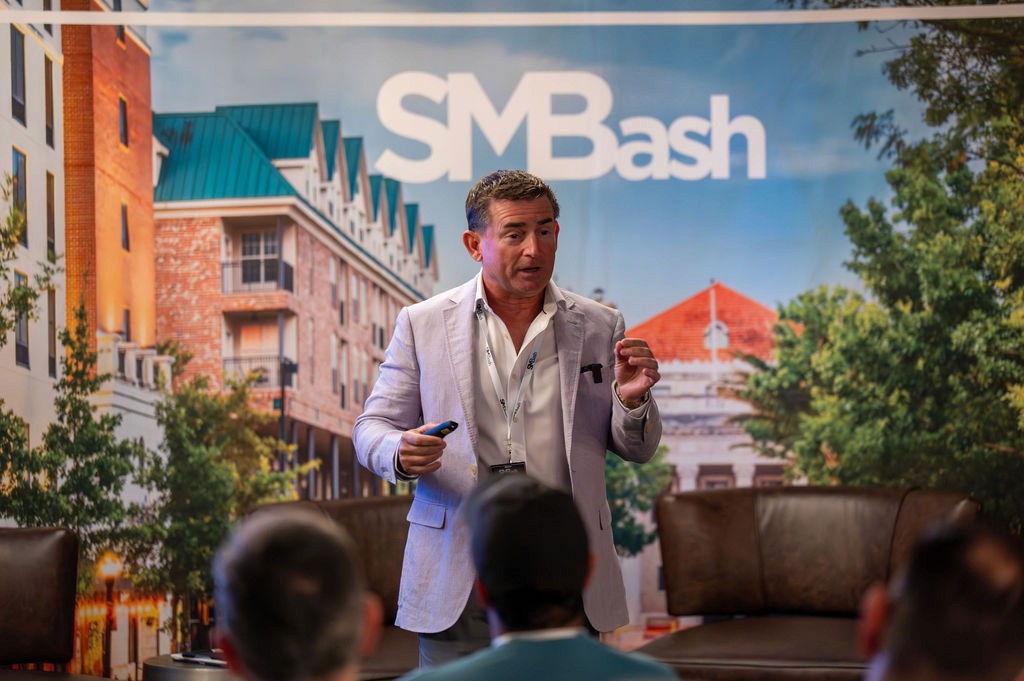
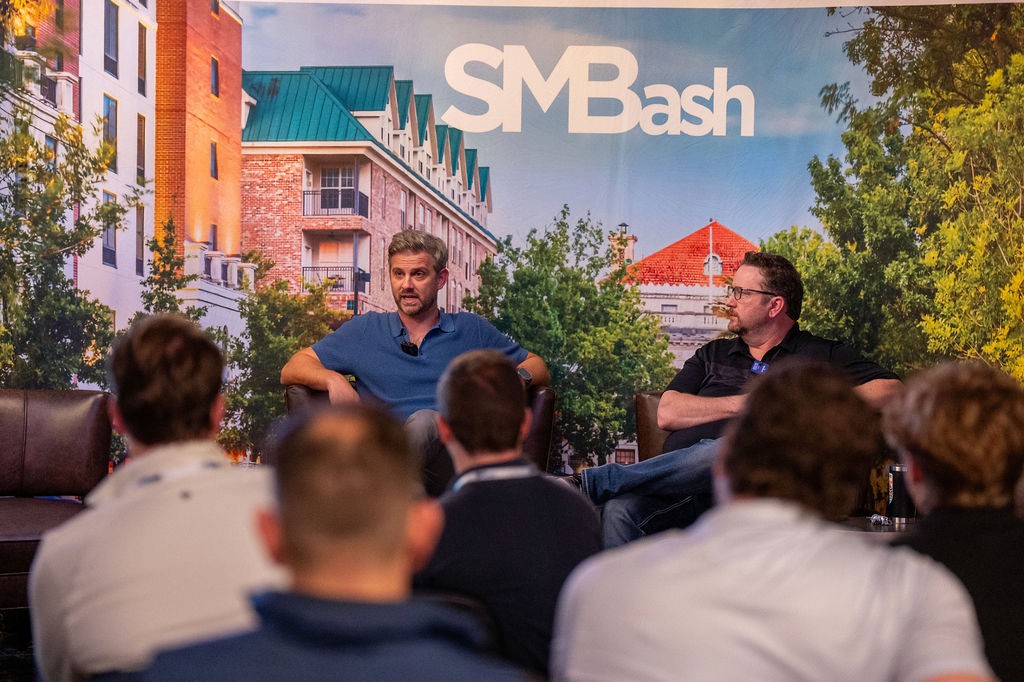
You've got two of the best in the business here. You've got Jackie Hirsch, who's a broker at Crown Atlantic in Florida. She won the award for business brokerage in Florida recently, so congratulations. There are a lot of brokers out there, and frankly there are a lot of bad brokers out there. What there aren't are a lot of brokers who resonate with and support the ETA community the way Jackie does. She almost cares more about us, the buyers, than she does her clients, the sellers. The thoughtfulness she brings to this community is incredible. And Clint Fiore is the equivalent in Texas. He's a sell-side business broker who has somehow created a name for himself in our community of SMB buyers. The two of them have a really fun but thoughtful presentation for you today.
If I could give you one tip, be interactive, have fun, ask them questions. There's this trend on Twitter where nobody wants to ask the hard questions. That's why you came here. Ask them, what does a seller think? Why do you put up a gate in front of me? Ask them today.
Thank you. I'm Jackie Hirsch. Clint Fiore, thanks for having us. We did a call recently and Clint said, this is a really high-level crowd and we need to bring them high-level information on how to source the best deals possible. Sam said, we've got to get them the information on how to find the needle in the haystack. So that's this presentation, but I wanted to do it with a ninja theme.
This is the initial slide I made because I do SMB Bootcamp for Sam. Don't wear the vest to the meeting. I still like private equity guys, but you're not meeting with a seller right now. Just don't wear the vest to the meeting. Ladies, I don't have to worry about this with you because you do fine. This is a situation I'm trying to help avoid.
These are the topics we're going to cover: ninja referral circle, ninja old maid, ninja survival skills with realtors and brokers, ninja countryside deals, and then we're opening up to questions.
**Referral Engine**
First, thank you so much for having me. This is one of my favorite events of the year. Just like Sam said about Jackie, I resonate with buyers. I think that's why I've thrived in this community. I'm often engaged with the seller, but I end up best friends with the buyers on every deal. To the point where often a seller at the end is saying, who do you work for? Are you working for me or them? And I'm like, I'm working for the deal. We've got to close this thing, and they're the one writing the check, so they have to be happy. The buyers are usually closer to my age range, closer to my mindset. They're in the growth phase of life. They're optimistic. When I'm here, I feel like I'm among family.
The first of the four points we're going to cover is referral engine. When I teach people about searching, I teach about a three-legged stool: an on-market approach where you're looking for represented deals and for-sale-by-owner deals currently being marketed; an off-market approach where you're systematically pursuing business owners directly that are not yet for sale; and a third leg, a referral network. This is probably the most powerful and yet the most underrated part. It's the most old-school system, but I guarantee you're not doing it at the level you could be, and you're selling yourself way short. It's a gold mine for deals.
There are brokers who have been my mentors and serial buyers I know whose entire deal engine is this. It's purely getting around the professional advisors in your market who have hundreds of clients who are gray-haired business owners. If you're spending all your time reading newsletters, scraping websites, and trying to do cold email to owners and brokers, and you're not engaging with the big six, you're missing this gold mine.
I'm talking about CPAs, attorneys, wealth managers, community bankers, commercial real estate agents, and insurance agents. If you're not having at least one, if not two or three lunches or coffees a week with one of these big six, you're doing about a third to half the deal flow you could be doing. These people don't know about our world. They're not on Twitter, they're not here, they don't know about the ETA community. This is novel and neat to them.
Everybody thinks of the first two first. CPAs and attorneys are the most trusted advisors of the small business owner. Their referrals are worth their weight in gold, but they're also some of the hardest ones to get in the door with. If you don't own a business yet, your approach is the same to all six: approach them as a potential customer, because if you own a business, you're going to need all these folks in your life. A simple pitch is, hey, I just left the corporate world, I'm going into business for myself, and I'm looking to get some relationships with a business CPA or business attorney. I'd like to know what you do, take you out to lunch.
Give them two-thirds of the time to give you their spiel on what they do. In the last third, paint a vivid picture of the situation you're looking for. Don't use financial words. Say something like, I have some manufacturing in my background, and if you know anyone in manufacturing or an adjacent space who's tired and talking to you about retiring soon, we just want an easy-button way we can get together and potentially cash them out, do a transition plan, and take over.
CPAs and attorneys are some of the hardest referrals because when a seller sells, they usually lose a customer. If they feel like you're going to be their customer if you buy, then they want to refer that seller to you because it's a net neutral for them. Always think about their motive. For CPAs and attorneys, they don't want to lose that client in a sale. Wealth managers are the opposite. Their client selling is the best thing ever, because they get paid for assets under management. It's often a big windfall and creates more assets under management. They're a great referral source and highly motivated.
None of these people, except maybe commercial real estate, are looking for a referral fee. They're looking for a continued business relationship.
The one I really want to hit on is the most neglected: the lowly insurance agent. I used to do P&C insurance. I was a licensed insurance agent. I know how hard and competitive that world is. You're desperate for business owners to give you the time of day. Insurance agents will be delighted to meet with you, and no one else is talking to them. They know probably more useful things for vetting a deal because not only do they know all the business owners, they know how expensive their cars and houses are. The insurance agent can really point you to the successful owners because they ensure all their stuff. You're the only person they know who has a bag of money going around looking to buy businesses, and to them that's a cool, novel thing. They're always looking for relevant things to connect with their clients about. I know very good searchers who are getting recurring referrals from insurance agents because no one else is going to them.
Look in your market for the leaders serving small businesses in all these capacities and come up with a pitch that's a win-win for them. Not making it all about you. Form those relationships.
The last ninja trick on this is a follow-up trick. After you've had that lunch and connected, drip on them every quarter to six months. Check in, maybe have another coffee or lunch. Send them a gift. My recommendation is a Starbucks gift card. As weird as that sounds, it's simple. A handwritten note: hey, I learned a lot from our lunch, thanks so much for taking an hour with me. Somebody did that to me as a broker, and people are wanting to stay top of mind for me because I've got deal flow. By golly, it worked. I never go to Starbucks, but I think it was a $50 Starbucks gift card, which seemed like an infinite amount of Starbucks money. I felt like the richest Starbucks customer. Every time I drove past one, I was like, I could go there anytime I want. I've gotten $5, $10, $15 ones all the time, and I'm like, okay, if I remember I'll spend it. But when you have a $50 one, there's something about that threshold. Every time I went, I thought of the person. Nick gave me that card. I would see Starbucks, I thought of Nick. It took a year for me to use that much. That was the longest-tail top-of-mind thing anyone's ever done. A $50 Starbucks gift card to a strategic influencer in your space could go a long way.
**Ninja Old Maid**
I'm not politically correct. My daughter asked me if I was going to explain the Old Maid card game. I said, no, I'm going to explain that this is a lady who's not been married and sitting on the market.
Sometimes a business hits the market and there have been all sorts of issues. I was talking about a deal with Ben. It hit the market. There was another brokerage that had been in touch with this seller, and that brokerage overpriced this deal. A broker friend of mine got this deal and now he's stuck with this overpriced deal. It's a nice business, it's just not priced right, and it's going to sit. I want Ben to go see it because they'll remember him, since he's the only person here who lives in the Keys. He has an advantage, and he'll work his way down because there have been offers being made and they're not the right offer. He's creative enough to structure something interesting if he likes it.
Then you have broker deals that are not properly prepared. Then you have the seller who's not properly educated. Has anybody met a seller who's not educated on the business brokerage process? I have to explain stuff like, you can't add back the distribution to the bottom line or the draw. He's like, well, we call it a draw. I'm like, you can't add that back, that's your money. Don't even get me started on depreciation recapture or asset allocation. These are basic concepts for a million-EBITDA business. These are conversations I have all the time.
An uneducated seller means chances are you might have an uneducated broker. Sometimes you have a really jerky broker with a really awesome seller. I always tell people, don't punish the deal because of the broker. Just go after it and run all over them, because they won't care. They don't want to do the work. Clint and I work, that's how we make our money.
Many brokers will take a deal at any price because they just take it for so long they whittle them down. Some brokerages will sign you up for two years and get retainers the whole time, so they don't care if it sells or not. That's not what we do. I look at it like a receivable. If it's not moving, something's wrong with it. It's not packaged right, it's not featured right, we're not saying the right things, maybe the price is wrong. We try to fix it. That's why I do a lot of deals.
Follow-up is key with the old maid deal. You may have seen this lady out on the market and there was some sort of problem, or maybe the timing was wrong, or maybe there was an issue they had to resolve. Maybe they lost a staff member or a key client. It can be fixed. Sometimes you going in there, doing the work, and fixing it is an amazing deal.
I sold a company to Sam and there were some issues with my seller. He was 75 and had a four-foot oxygen tank that he took with him everywhere. There were times in the deal he said, that's it Jackie, I'm just keeping it. This guy was not in good shape. There was an issue with inventory hoarding during COVID. They over-purchased inventory just to get it. In the HVAC business you used to be able to get inventory in two, three, maybe five days, but he had been stockpiling because he knew he needed stuff. So inventory was a little higher than it should have been. He only counts inventory once a year, December 26th, every year. There were issues like that with that deal, and you have to be willing to do the work. It paid off. That was a great business.
**Real Estate Agents Encroaching**
Third point: there has been a furious entrance of real estate people getting in our turf. The last few years there are trillions of dollars of dry powder. Interest rates went up and their deals won't pencil anymore, so they're seeking returns anywhere they can. They see the threads about how easy it is to get 30% to 50% returns and think, I'm going to throw money at that. So buyers are coming in with real estate backgrounds, but brokers are coming in with real estate backgrounds too, and that's what's really getting under my skin.
Commercial real estate agents' transaction volume plummeted the last few years. They're looking for ways to keep their Land Rovers, so they're starting to rep more and more business deals that they would've traditionally just referred to me or Jackie. They think, how hard can it be? I'll do this myself. I've sold multimillion-dollar properties. I can sell this business. It's a completely different game. They don't know the rules. They have shiny suits and Land Rovers, and sometimes fancy websites, and they can present well. They're often good salesmen, and sometimes they get a great listing, but they will not properly run it.
They blow confidentiality really badly, because in real estate you want the spotlight on the actual property. That can be very dangerous to a small business that doesn't want everyone to know they're for sale. You can identify these people: their website says they're a real estate person representing this deal. They often put the business on LoopNet. They might not even know about Axial or BizBuySell. They're putting it out in the wrong places. They get all the financial terminology wrong. They'll say this business is making $3 million when they meant revenue. Their CIMs are over-indexed on the physical attributes of the business: square footage, traffic flows. You don't care about that. You want to know EBITDA. They don't know how to spell EBITDA. They use NOI.
Sometimes they'll obscenely misprice. They might cap-rate it and say, this is riskier than an apartment, so maybe this is a 10 cap, which is three times overpriced. Or they can misprice the other direction and not know the value of the cash flow, over-indexing on the physical assets and viewing the intangible part as fairy dust. I've seen deals grossly mispriced either way.
They hate LOIs. I had a next-door neighbor in my office building who's a real estate agent. They tried to bring a buyer to me on a deal, and I told them our process is we usually start with an LOI. He was a ranch broker, and he said, you can wipe your butt with an LOI, that's about how much an LOI is worth to me. To them, everything's a contract.
If you get in this situation with a good deal represented by a real estate agent, here's how you get the good deal. Don't try to teach them how our world works. Be like Bruce Lee, flow like water around the obstacles. You want to make an offer, but they won't let you know enough to really feel confident. This is what sucks about it. You need to know cash flow to feel comfortable making an offer. They don't give you enough information correctly presented, so you're going to have to take a guess at what EBITDA might be and make an offer, but give yourself outs.
In a world of other business buyers saying, I need this information, I can't get it, never mind, and they walk, or they go to LOI and they think it's worth toilet paper, if you show up and say, there are some things I'll need to know after this is accepted in diligence, but based on what I know so far, here it is, and you make it look like a real estate contract. That's what they know. Take a standard commercial real estate form, get with your attorney, cross stuff out, write stuff in. Give yourself the window you need to diligence this thing. All of a sudden, all the other buyers are telling the seller, we had 10 people come in, they wanted to put LOIs on this thing, those are tire kickers. But this guy gave me a real offer. Make that be you. Speak their language. It's just trying to get a good deal.
Give them a contract they recognize, give yourself outs, make the fine print what you need. Once it gets accepted, they will let you take over. They don't know how to do diligence. They don't know how to populate a data room. They'll often keep you away from the seller, which is the opposite of my process. I want you to meet the seller, make sure we're all vibing, make sure the relationship is good, even before an LOI. They try to serve as that barrier. You won't meet the seller, you won't get the data you need, but once you're under contract they'll give you direct access and disappear. They're just waiting, just counting their commission. They'll let you completely take over the diligence process, and that's what you've got to do.
My advice: take point, quarterback this deal, take over diligence, get what you need, do your own analysis, firm it up. You may have to retrade or massage the terms a little bit if you missed something on your contract. Be respectful. Don't try to educate them or fix them. Just get it under contract and take over. That's how you get the good deal.
**Ninja Countryside Deals**
How many Floridians are in here? Israel's in Tampa. Tampa is such a hard market. There was a deal that came on the market in a general Florida category. They didn't put it in a county, and it's like an hour outside of Tampa. I felt like everybody missed it. It's pending now. Sometimes if you go just a little bit beyond where you want to be driving, you'll get a deal.
Sometimes it's a little outside of town, or it's very much in town, like downtown Tampa, super hard to get to and unpleasant. I have a deal smack in Miami, and people ask, is it Fort Lauderdale? No. Is it Biscayne or Miami Beach? No, it's Miami. They have to be okay with that, because a lot of people live in Fort Lauderdale and don't always want to go to Miami. Miami at five in the morning is 30 minutes, but the rest of the day it's an hour. Be open to where that location is.
**The Psychology of Selling**
I want to go off-script. I want to do a quick experiment about the psychology of selling a company. Josh is the seller, Will is the buyer. Hand the money to Josh, and Josh, hand the pillow to Will. You just handed him your baby and you're by yourself with some paper.
Now Will has this big, beautiful baby. Oh, your baby is so cute. Can I come visit your baby? How much money does your baby make? Are you taking your baby to college? Is your baby going to Ivy League? Are you going to expand your baby? Baby, baby, baby. This huge birth happened, and there was a huge death that just happened to the seller.
So if you're ever wondering why there might be some blocks or problems in your deal, the seller is preparing for the loss of a lifetime. The only child that has ever listened to him, that has ever loved him, that has ever followed any possible directions. Now all he has is some paper and you're holding the baby. I have sellers cry in my office. I have sellers cry on the phone. It is no joke.
I've been selling companies since I was 22. I'm 47. I don't want you to do any broker math while you're sitting there. People who know brokers know we're not that great at math. I only have a finance degree, so it's fine.
This is a really important psychological point. One of the things I love about Will's podcast is how intimate and how real it is. The sellers are suffering a loss, and you have to understand that. So you show up in a private equity vest, speaking all this nomenclature they don't understand, and you're not meeting them and trying to understand who they are and what they want you to do with their baby, whether the baby's going to stay living in the same location. You need to convey to them why they should choose you.
**Self-Awareness**
This is a bonus slide: self-awareness. Know what your talents are, know what you're good at. I hear all the time, well, there was this guy I know and he just heard about search, and the next week he started searching, and three weeks later he found a deal, and three months later he closed. I've been searching for six, eight months and I know way more than he does, and he has this deal and I don't.
I call this, I met the love of my life the first week of college. Everybody knows the person who met the love of their life the first week of college, and you've been dating for 15 years with all these crazies and the most entertaining stories imaginable, but they're married with three kids and you're still single. The envy, and I use dating analogies with business brokerage all the time because they're funny, it is there as an expansive vision to show that it is possible for you. Everybody's on their own timetable.
Why do we do this? Because it's hard. I love the fact that Clint survived a plane crash, walked out, has a huge brokerage, and got up on stage at a broker event and told all these brokers, these old dudes, that he has a huge following on Twitter, and at the table they're like, what is this guy talking about? It was amazing.
Everybody's on their own thing. If you like adventure and you like something hard and you want to see what you're made of, this is it. That's why sometimes I've invested in eight searchers, and I'll back military searchers because they've survived a war. I love it. They have families. One of my searchers survived a couple of tours, and not vacation tours. He's married with a family, MBA, engineer. He's amazing.
Sam asked, why do I support the buyers so much? Why do I do it? For me, it's about building community. It's about the future. There's no greater future in the United States of America than small business. That is the backbone of America. That's who provides jobs, supports families, grows people, grows community. I don't think healing the world is saving a million lives. I think it's having dinner with your family, and I think it's helping other people do that. It's that simple. That's why I know Clint is on the same page, and that's why we do what we do.
When I go to the brokerage conference, I feel like an alien. I've been selling companies a long time and going to those conferences a long time. My husband's like, are you sure you're going to the conference? I don't know if I can survive it. But these people, it's a joy, and you get to believe in people and help them get to where they want to go on this great adventure.
**Q&A**
**Sam:** I like tactics, because it's great to talk high-level, but then you actually get in the weeds and get punched in the face. The real estate broker says, to hell with that LOI, let's negotiate a contract. Then they're referring to a deposit, which is a real estate concept, and a due diligence period, which is meant to be an inspection for a home. How do you deal with that as a buyer?
**Clint:** There are business brokers who require deposits as well. It's trained in different systems. There are brokers who take the stance that if you're not really serious, if you don't put some money down, sellers like that too. You've got to think about it: we are serving sellers. Almost everybody has done a real estate deal, but almost nobody has done a business deal, and it doesn't feel real because there's no contract, no deposit, just a letter. So you can choose to die on that hill or give yourself an out.
I would tend to never do, as a buyer, a deposit I felt was with the broker or the seller's attorney or someone I couldn't reliably think was an arms-length third party. I would give myself a respectable amount of time. If it's too short, do due diligence in two phases: get the most important stuff first in the window they'll give you. They'll make it refundable over some period of time. If you have to do it, do it, but you can always push back and ask. There's a positioning thing: if it seems like they're being reasonable and you're unreasonable, and if you appear like the only reasonable buyer willing to put in an actual deposit, you could use that to your advantage. Don't get yourself in an unrecoverable situation. Put it in a neutral place if you have to. Sometimes you might have to bite the bullet. Different states and brokerages have different standards.
**Sam:** It's all about when does the money go hard. There are tons of ways to still play ball and not have a bunch of risk.
**Jackie:** Out of about 400 transactions, I've lost four deposits. The last one was in 2008, so it's very unusual. In Florida, business brokerage is licensed under DBPR under the Florida Real Estate Commission, so it is trained in all aspects of real estate to have an escrow because that's how you have a valid contract in Florida.
**Audience:** How common are deposits actually? Escrow feels different from, here's the deposit so I can get the CIM. I read or heard somewhere, maybe on Acquiring Minds, where the seller turned that around and said, fine, I'll give you a deposit, but you're going to sign a contract that says you're going to pay for all my due diligence if we get into it and you've been lying or we find a bunch of flaws. A lot of times they come off the deposit. I'm new in the process, so I don't know if deposits are that common.
**Jackie:** It's an escrow deposit, not a hard deposit right off the bat. Usually you can get it for 60 days. You'll know within 30 days if you're going forward in some level. The contract will come in and make that still contingent. You can have that escrow contingent the whole time if you word it correctly. As far as a deposit for a CIM, I would say no thank you, goodbye.
**Mark:** What are your favorite tactics for introducing and maximizing seller financing and seller notes?
**Clint:** I prep every seller to expect a piece of the deal for seller financing. I present it in a way that the seller really wants top dollar. You, the buyer, want cash flow. You want after-debt-service free cash flow to be awesome. That's what you care most about. You're a little agnostic about the purchase price you pay if the cash flow works. The seller, especially boomers, they think nest egg. They think, I've got one chance to sell this and live off this the rest of my life. They want the big number.
I key into that as a broker and say, yeah, I do too, because I get a percentage of that big number. We're on the same page. But if we want the biggest number, you're going to have to put some seller financing on the table to get it, because if you demand all cash, you're going to get a smaller offer. I also pitch the tax advantages. I don't try to play CPA, but I say discuss this with your CPA, because often you're taxed in the year you receive that installment, and you can keep maybe under a different capital gains threshold. There are different ways you can game the installment sale for tax benefit.
I try to set expectations of buyers up front: if this is a bankable deal, don't come to me asking my seller to be the bank. That's a big turnoff for brokers. When you come in and say, I'm looking for a seller-finance deal, my antenna goes up. Are you super broke? Have you been bankrupt? Do you have no credit? If it's a down-the-fairway SBA bankable deal and you're saying, I want to put some cash in and the rest seller financing, that's a huge red flag. If it's a professionally represented deal, we generally set the expectation that if it's bankable, the bank should be the bank, and the seller is probably prepped to do a smaller piece. That's how I present it: tax and maximization.
**Sam:** Proprietary-source deal, educated seller, how do you think about the difference?
**Jackie:** It's really the same pitch. Mark, you have a company for $6 million and you're selling it. I come and meet you. I'm Jackie, nice to meet you, and I'd like for you to give me $600,000. I'm coming into the deal with $60,000 and raising a cap table. I've never owned a company before, and I have all these strangers I've never met before who are going to invest in me because I have an MBA and worked at a consulting company. In the seller's mind, we just met, and you're going to give me $600,000 for your baby. The seller thinks, I think I'm missing something here.
I'm not saying it's not a good idea. I present it to every seller. Buyers are going to want 10%. Lisa Forrest is going to be like, Jackie, why won't the seller hold a note? I want to answer that question. She knows what she's doing. I want her to take my deals. I'll say, the bank is really going to prefer this because it makes a solid loan. I don't like discussing war terms or bodily terms like skin in the game or brain picking. I use seller commitment. I pitch it that this makes the bank comfortable, so it's not you, Mr. Seller. I would never do this to you. It's the bank that really likes the $600,000, because in their credit team's mind that makes a stable deal. Blame the bank, or the broker, or the attorney. It's never you, and our job is to keep you friends with the seller.
**Audience:** What are the characteristics of a business that fails, and is there a type of buyer you see in failed businesses?
**Jackie:** Failed deals after a transaction, thank God I don't have a lot. I was talking with Mike German about this, rarely do I have a QoE come back where I think, whoa, I didn't see that coming. I feel like I'm pretty prepared. Sometimes there's something I miss, you'll always miss something. It's like when you get married. I told my husband I steal the covers, and I knew that because I slept by myself for a long time. He didn't realize that was real. You don't always know what the problem is until you get in the deal. As far as failed deals, just like anything else, if you don't sit with yourself, close your eyes, and see in the future, like I'm sitting on a front porch and I'm still looking at that business, think twice about owning it.
**Audience:** How do you handle meeting key employees in an objective way during a deal?
**Jackie:** I had a searcher who was from a certain university, and he insisted he knew absolutely everything about what I did for a living. He insisted he needed to meet every employee possible during due diligence, even before any APA or SPA. This is a real concern. I have found that when there's a meeting ahead of time with a buyer and a staff person, it doesn't always go well. It's so anxiety-provoking for the employee. You can't understand how much stress that is for the employee and therefore the seller.
If you can somehow at some point in the deal happen upon those employees, maybe somewhere they go, and just bump into them, I'm not suggesting that, Clint suggested it, but do the best you can. It can be very disruptive. Sometimes it's better to have the seller say, I'm staying on. They don't say how long. They don't need to know. I'm staying on, I'm growing, this is what I decided to do, and we're super excited to keep you. I really try to heavily pitch retention bonuses. You don't want the retention bonus to be life-changing F-you money. You want it to be like, I could upgrade or go on a nice vacation.
**Clint:** It's a pretty sensitive thing, and buyers who are insistent on it don't realize there's downside as well as upside. I usually encourage only meeting employees if there's somebody mission-critical, like I would not buy this business if this one person was going to leave me the next day. That's the one you need to meet. You don't need to meet everybody. Most good businesses don't even have that person, or if they do, it's the seller, and you have full access to the seller. Make sure you can cover their mission-critical pieces.
If there's gossip and tipping off around the company that there's a deal pending and some egghead is about to buy the business, they can start sharpening the knives, because the rank and file have a very negative view of M&A. They see Hollywood's presentation of it, this corporate raiders coming in to fire everybody. They think everybody's about to get fired. The ones who think, well, this place would fall apart without me, so I'm going to demand a raise, they're either one foot out the door or preparing the negotiation of their life.
A lot of times, just going into the meeting calmly with the buyer and seller presenting a unified message: hey, great news everyone, I want you to meet Jim, Jim has bought into the company, we're going to be working together for a while. This allows me to have a path to retirement, and good news, everybody's jobs are safe. Then Jim introduces himself and says, by the way, we're not going to talk about raises or anything yet until I get the lay of the land, but we'll do this in so many months. They don't think it's their time right then, but they think, I'm going to get heard. Everybody's jobs are safe, we're going to get bigger and better, this is good news, and the owner's staying with me for a while. Ripping the bandaid off often gets you the best result.
**Sam:** Two more tactics I use. One, ask the question in the first conversation: how many of your people know about this transaction coming down the pike? It's a proxy for how hard the process could be. If they're already disclosing, yeah, there are two key people who know about the deal and they're going to support me, you already know it'll be an easier process. Two, say we'll do it as the last thing. APA or SPA is signed, bank has a commitment letter, the closer has signed off on closing, and 48 hours before closing, we will go sit down and have lunch. I've done that, and it's tended to work.
Alright, thanks guys.