PLAYLIST PRESENTED BY

From NFL Quarterback to Small Business Owner with Jeff Driskel
Description
Nine-year NFL quarterback Jeff Driskel shares how a career marked by being cut, traded, and benched shaped his approach to entrepreneurship through acquisition. Hear how he and his brother closed on a tax-focused accounting firm, why he passed on real estate and venture capital, and how any searcher can identify and lean into a unique competitive advantage when sourcing deals.
Recent Videos
Transcript
One piece of housekeeping before we start tonight: somebody closed a deal today while we were here, about six hours ago at 1:27 PM. You bought a what, located where?
I bought an accounting and bookkeeping company located in Richmond, Virginia. If you're in Richmond, Virginia, please reach out.
Congrats. There are other bookkeeping and accounting company owners in this room. And I believe somebody wants to do a holdco to acquire them all, so we'll meet over here later for the holdco negotiations.
Okay, we're going to have fun tonight. Everybody's hopefully had a couple cocktails and is a little burned out from a long day. Did you have fun? Was today good? We'll get to business at a certain point, but we're going to start with something fun. We're going to start with football and sport, something more like life than business.
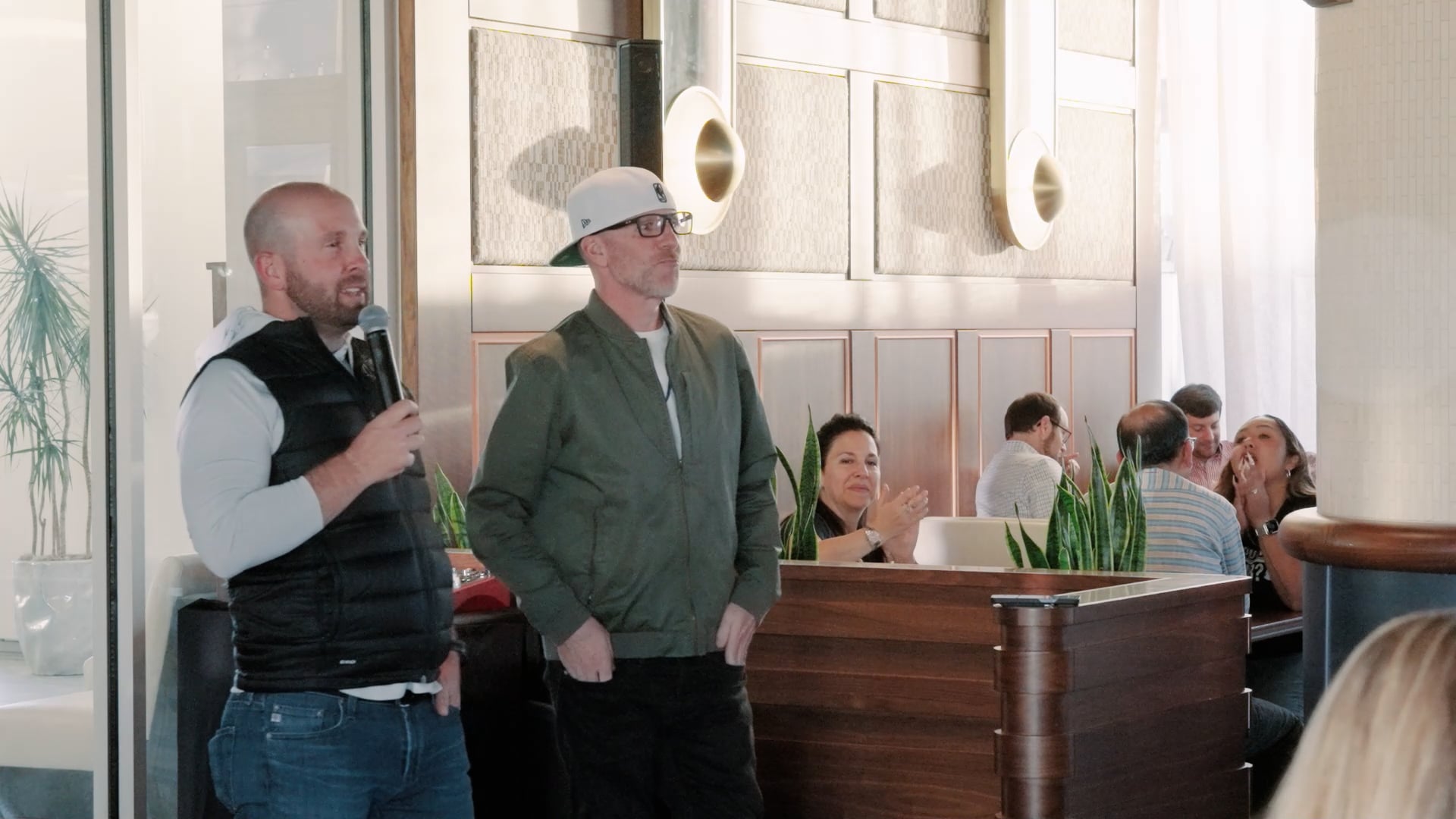
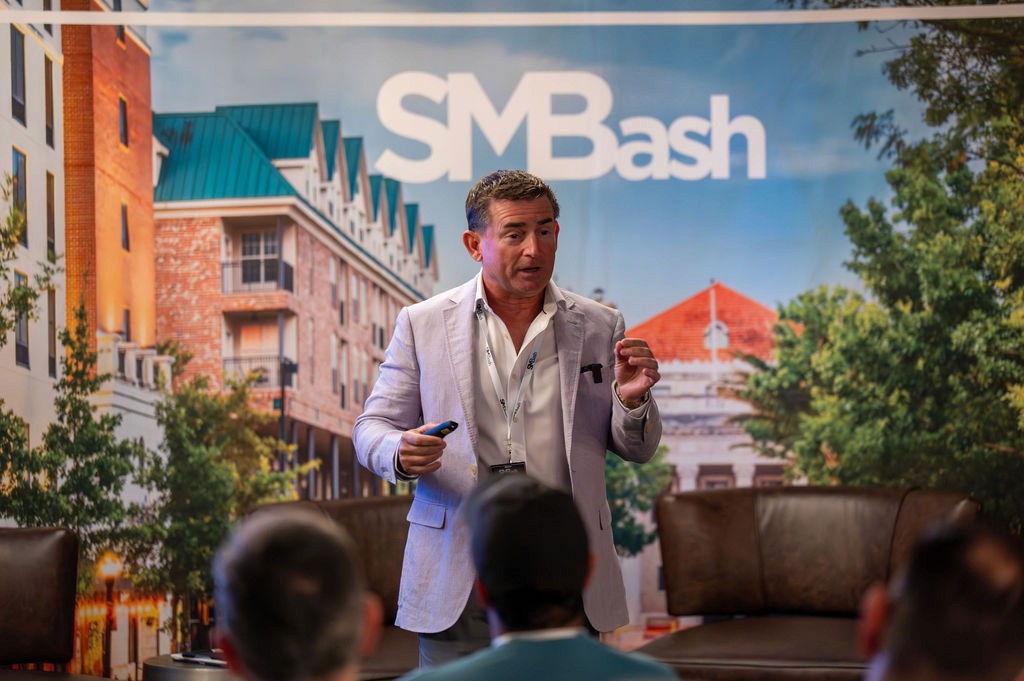
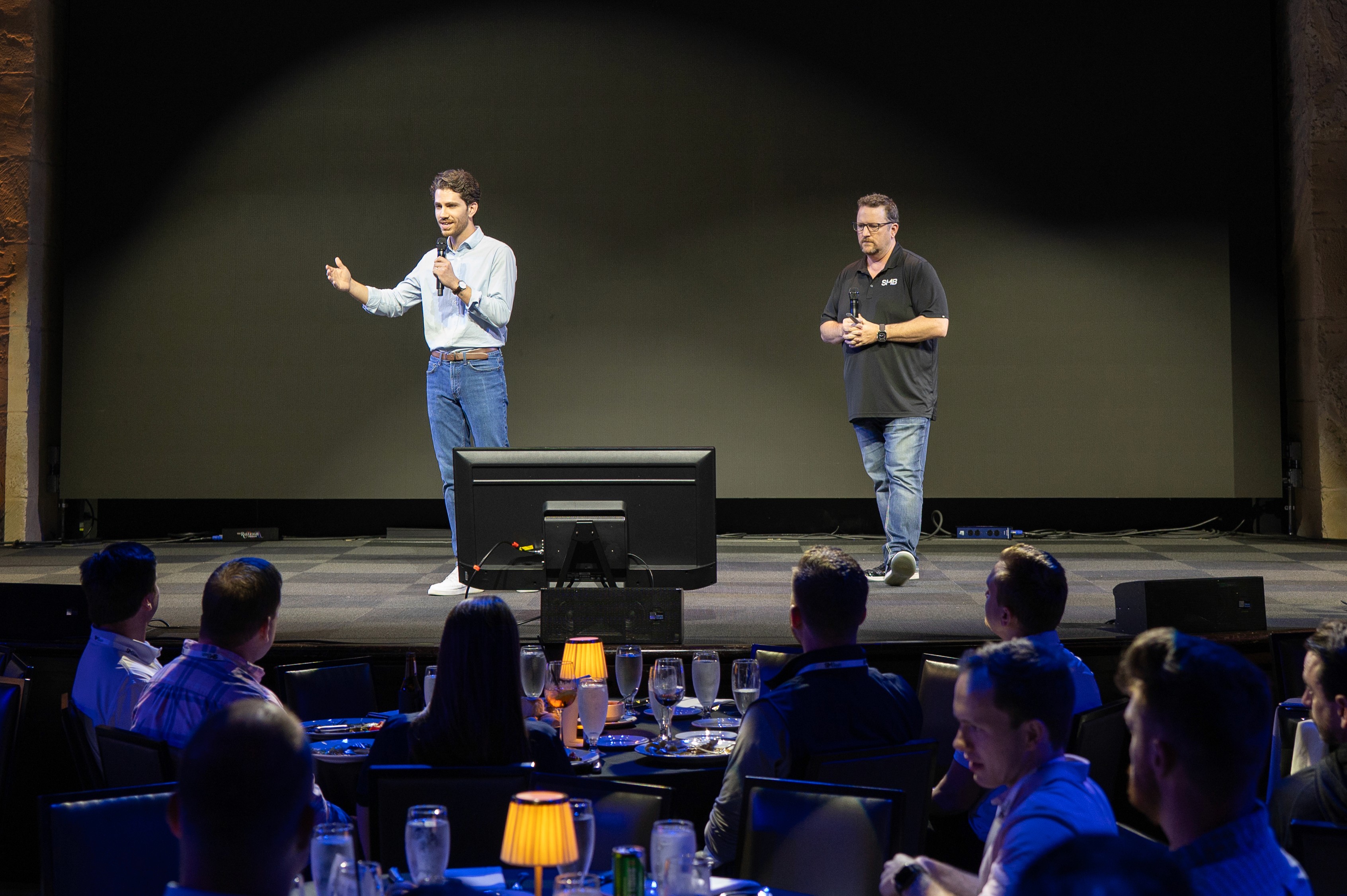
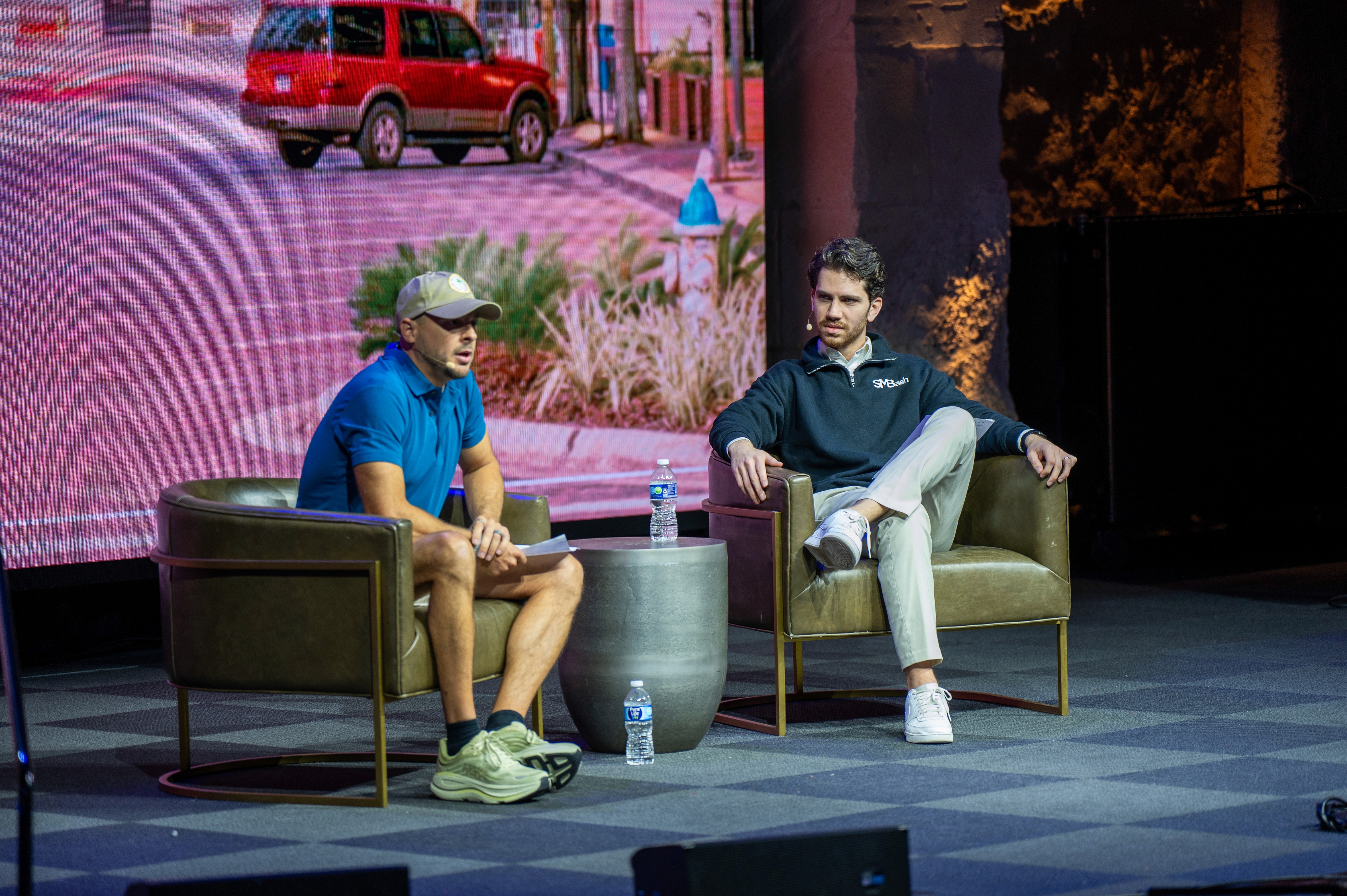
Jeff Driskel is a current quarterback in the NFL. Nine years now. He's also in our world now too. He's an owner of a small business with his brother Jason. They're going to talk about the journey through football and what was supposed to be a hard cut from football into ETA, and now they're overlapping because he's still in the league.
I'm not trying to figure out the NFL. I'm never going to figure it all out. Just like this world, none of us have all the answers.
Alright, let's go back 13 years. You graduated high school as a five-star quarterback, the number one quarterback and number one recruit in the country. Where'd you grow up? What was the recruiting process like, and where'd you end up going to college?
I grew up in Oviedo, Florida, right outside of Orlando. I was getting recruited to every school you can think of. It was overwhelming at 15, 16 years old. Urban Meyer, Nick Saban walking into my little school. It was nuts. I'm fortunate my parents helped me a lot along the way. We were talking earlier, I wish I was getting recruited right now with the NIL stuff. These 17-year-olds have Mercedes-Benzes and Rolexes. They're taking a pay cut going to the league.
Alright, even though you graduated in spring of 2011, you enrolled where in winter or early spring of 2011?
I went to the University of Florida. I graduated when I was 17 years old and got recruited by Urban Meyer for years. I'd stay home from school on Mondays during the off-season and the offensive coordinator would drive from Gainesville to Oviedo and install the playbook at my house for six months. Right when I enrolled at Florida, the staff was gone.
In the winter of 2010, all us UF grads remember things went sideways. Urban Meyer had personal issues and got ejected. So you showed up in spring 2011 and your head coach is from Texas and your offensive coordinator is from Notre Dame.
Will Muschamp got the job 10 days before I enrolled. He came to Oviedo, ate dinner in our dining room. There was no offensive coordinator when I enrolled. They hired Charlie Weis a couple weeks later, and he decided he was going to recruit his own quarterback, not me. So I'm already on campus, he's bringing in his own guy. There's no portal at this time. I'm 17 years old trying to figure it out.
So this is like an SMB deal where buyer and seller get into a butting heads contest and all the information is stuck in the middle. It's a cluster of a transition. This is the first of those conversations we're going to have tonight.
Get us through the UF years quickly.
Number one recruit in the nation comes with expectations. This guy's going to win a Heisman, play three years, get drafted in the first round, make all this money. It started off pretty good my second year. We were the number three team in the country. I played pretty well. I was the starting quarterback. The year after, I broke my leg in week three, so I was out that year. Next year I came back and frankly, I sucked. I played really bad and got benched. That was tough.
You were a 20-year-old kid getting benched, thinking you were going to go pro, and the world flipped on you.
I went from first overall pick, 35 million guaranteed, to what insurance company am I going to go work for next year?
Well, there is an insurance company. Are they hiring? Josh and Andy are hosting a welcome hour in the back.
Got benched. Do I still want to play? I graduated and said I need to start somewhere else. Went to Louisiana Tech.
Where the heck is that?
It's smack dab in the center of north Louisiana. Nothing but pine trees up there.
So you refreshed your football career, played well that final year, and went into the draft.
Got invited to the Senior Bowl. I think eight seniors get invited to that all-star game. Played in that, ended up getting drafted by the San Francisco 49ers in the sixth round. Everybody thinks they should have gotten drafted higher except one person in the draft. We had a draft party on day three. We had this community room in our neighborhood for two hours at the beginning of day three, thinking I was going to get drafted early, and our time ran out. Someone said, let's go to my house. Everybody drove to his house and I ended up getting drafted. It worked out. Nothing works out like you think it's going to.
Just later than you thought. Like Jackie when she calls and says you're first in line for a deal, and then you realize she was showing it to three strategics before you. Hang with me here, I'm standing on the table for you. It's not my call.
The good news is you got drafted by the 49ers in 2016, got a four-year contract, moved your wife to San Francisco. How long were you there?
Four-year contract, X amount of dollars. On paper, this is going into my bank account, right? I didn't get to week one. I got cut out of training camp. My wife was out there for all of 10 days in our $4,000 apartment with no air conditioning. I'm like, babe, I'm done. My career's over.
Back to calling Andy and Josh for a job at the insurance company. Maybe I needed to network a little more in college.
I got signed by Cincinnati the next day and ended up there for three and a half years. Enjoyed my time in Cincinnati.
Then you got picked up by Detroit?
I got hurt in training camp my third season, pulled my hamstring, and got cut when I got healthy.
How many cuts is this now?
This is two. Two in three and a half years. My average has gone down since then. I signed with Detroit, packed up the apartment and drove to Detroit for one year.
There's a name in Detroit you got to tutor under?
Matthew Stafford. One of the best quarterbacks there's been. He's known for staying on the field. He never gets hurt. If you're Matthew Stafford's backup, you're holding a clipboard, that's it. That's what I did until Friday night.
The week before, Matthew got hit on the last play of the game, got hit really hard. He's sore. After every game everybody's sore, don't think much about it. He gets a couple tests during the week, you're good to go. He practices. I'm doing scout team, not thinking I'm going to play, like normal. Me and my wife are at dinner Friday night, drinking a bottle of wine, having a good time, and Matthew calls. Why is Matthew calling me at 8:30 on Friday? Hey man, I'm really sorry but I can't play. What do you mean you can't play? They said I can't play, you've got to go this week.
How many reps on starting team had you gotten that week?
Zero. All year. But hey, let's go play the Chicago Bears. I had reps throughout the week, but not that week. Like I said, don't try to figure out the NFL.
There's a connection to ETA here. If any of us think we are teed up and primed to be great at this, this is the biggest of adventures. He goes through it in sport, we're going through it as owners and operators. Anybody here who thinks everybody else is more prepared, more trained, more educated, you're lying to yourself.
Alright, next you go to the west coast and have your biggest contract-based financial success. Where are you?
I ended up playing four or five games for Detroit. My rookie contract is now up, my first time in free agency. Still I'm wondering, did I help myself? Am I going to get a new contract? The first day of free agency I get a call from John Elway and they give me way more money than I thought. I made it. I came out to Denver on a two-year contract.
This is like Costa getting an offer from private equity his first year into owning a tree service company. His eyes are really bright. Do you take it? He took it.
The first contract I got was four years and it lasted all of zero weeks. My second contract, the two-year deal turned into a one-year deal pretty quickly. Did the whole deal again, bought a house in Denver. Oh, this is going to be our second house, we're going to be here, probably get another deal after this one. Retired in Denver. One and done.
One and done means you're on your way east to the sweaty town of Houston.
Packed my house up, put it in pods. Got a call from Houston, said we want to work you out. Flew out to Houston and got a contract.
Isn't Houston the team that wanted you to play quarterback, tight end and special teams?
I'm not trying to figure it out. If they're offering me money to play football six months a year, you sign that contract before you think twice.
So when seller says you need to personally guarantee that seller note three days before closing, you'll do whatever it takes, right? Let's just get a deal done.
Houston for two one-year deals, then we get to Arizona last year.
Going into year eight last year, I was on the practice squad. We had conversations: if I don't play this year, it might be it. If it is, it's an eight-year career. Two and a half is average. I got a call the last week of the season from Cleveland.
Week 17.
Week 17, hey, we want to sign you to the roster, and we want you to start in seven days on a team where you don't know the players, you don't know the system. Get on a flight across the country and let's go.
In football you throw the football to wide receivers. How many names of your wide receivers did you know on Sunday of that week?
During that week, I knew all of them. Right now I know none of them. It was very much, what do I need to know for this specific week. It was a whirlwind, a lot. You just have to go figure it out. Wasn't ideal, but got an opportunity to get out there, get some film, and parlayed it into another season this year.
We're at the end of December. Backing up a couple months, what had you done in SMB with your brother to start transitioning your career from the NFL to SMB?
Probably six to eight months before that, I decided I want to go after a deal. I'm not so naive to think I can juggle playing professional sport and running a business, but I want to get into a deal in some way, shape or form. Who better to go into a deal with than your brother who you trust, who is really smart, who wants to go at it together. We found a deal, did the whole due diligence, and we closed in Q4. Shout out to Jason for running the show.
Jason, what'd you buy? What do you run?
We bought a tax-focused accounting firm. December 21st last year. Spending my time there trying to at least act like an operator.
Let's button this up. You went into the end of your eighth year. We've had calls where you were getting more serious, thinking this could be the end. What call did you get recently?
Three or four weeks ago, the day before Easter, we had a community Easter party. I'm loading my kids up in the golf cart trying to get them to the house before they melt down, and my phone rings. It's my agent. The Commanders said, hey, we want to do a deal, whatever you asked for, let's do it. Went out there, signed the contract, and started cracking the next day. Three weeks in with the Commanders now and it's going great.
Thanks for being here while you're supposed to be in OTAs. So when we have meetings, the first five minutes is non-football stuff. What are you doing this weekend, Jeff? I'm going to a small business conference in Salt Lake City. Everyone's like, oh sweet man, you're awesome.
Give us something memorable about your not-yet-over career in the NFL. A locker room story, a famous player story.
My favorite teammate I've been around was Andy Dalton. I went to the Cincinnati Bengals my rookie year. Andy Dalton was the starter, had made a hundred million dollars at the time, had been the starter for eight or nine years, and was just a normal dude. Very approachable, had all the team functions at his house, took me under his wing. He just handled himself the right way and was willing to pour back into me. That's what all you guys have done. I've probably talked to half of you on the phone at some point. When people are super willing to give advice, not expecting anything in return, that's just good people.
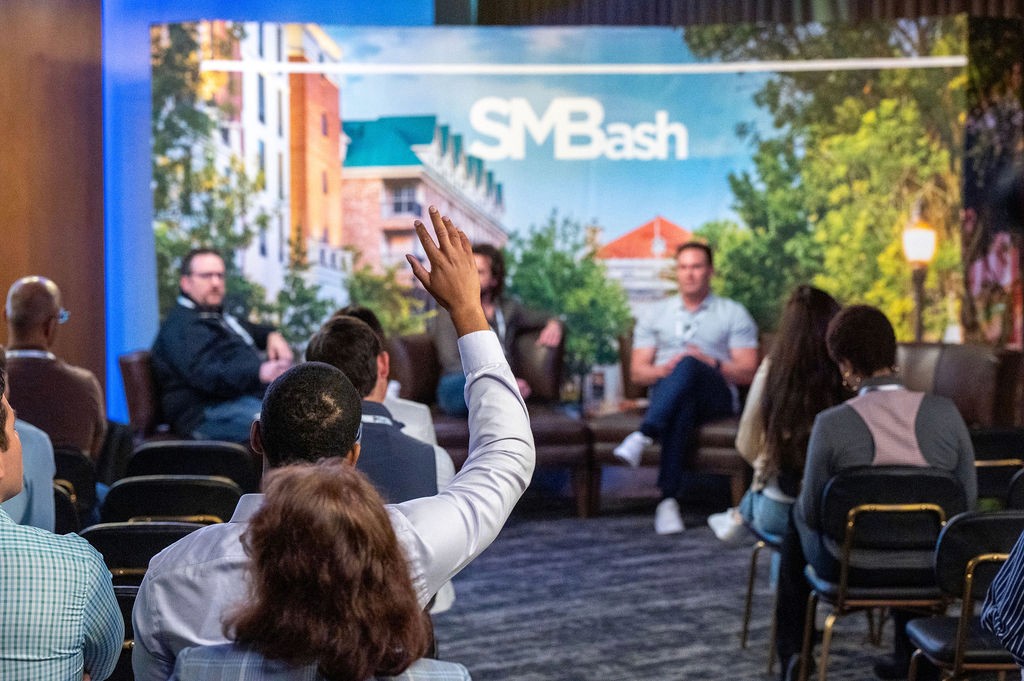
This community is full of good people. How many of you have spoken to Jeff on the phone before he came into ETA? Raise your hand. Pretty cool, isn't it?
Now you're an old man in the NFL.
I'm in the top 10% of old guys in the league.
And yet in this world you're kind of young and green. At what point did you start seeing your career might not last forever?
I got cut my rookie year before week one.
You got cut a lot of times.
Many a time. Anytime you get cut, there's uncertainty. I have a family, a couple kids. How am I going to provide?
You have three kids.
We were both working hard. I missed you guys.
It's never going to last forever. Whether one year, two years, 10 years, there's going to be a point where you're not good enough or your body doesn't let you play anymore. I enjoy work. I enjoy working with high-level people. Early in my career, the popular thing in the locker room is real estate. So that's what people talk about.
God, I hate real estate. Why is real estate popular in the locker room?
Because it's passive. That's what I heard. I understood the concept. You buy a building, you put X dollars into it and sell it for more, or rent it out. Over time I realized it's really boring. I don't enjoy the operations, I don't enjoy how transactional it is, and I don't enjoy single-digit returns.
Do you enjoy being punched in the face by your team every day when you're running a small business?
You've got to ask Jason.
The locker room tells you go do real estate, or VC.
What is venture capitalism? I wanted to find something that was a product or a service, where you get to work with really high-level people, you get to better your community. In the VC world, I just didn't have that risk profile. I also wanted to see a little more return. Like many of you, listened to a podcast, liked what I heard, listened to a couple more, reached out to people on Twitter, and it grew from there.
Your alternatives at the time were go do real estate, slowly become an entrepreneur and come up with an idea, which we all know is tough. Zero to one is not our game by definition, or go get a job. So this was your way while in the league to transition into something feasible and sustainable for the long haul because you're young.
The cool part about being in the NFL is you make a lot of money. I bought some time. When I'm done, I knew I didn't have to just take a job to pay the bills. I could figure it out. Also the off-season is six months of work out for a couple hours a day and use the rest of your day however you want. For the past couple years, the way I've wanted to use my time outside of my family is getting to know this world.
This is probably the wrong forum, but we see at bootcamp a lot of folks working a job trying to get into this game, become an owner, and there's a psychological hurdle that you can't do both. Here's an example of somebody who has a full-time job and got in the game.
It's definitely possible. I had to lean into what I had going for me.
What is that specifically?
I'm an NFL player. These owners get a bunch of calls, a bunch of people kicking tires. They're going to take a call from an NFL player. Doesn't mean they're going to sell me a deal, doesn't mean they're going to give me a better deal on their company, but it's a foot in the door. I was able to take advantage of that on the first deal we did, and I plan on leaning into that for deals down the line.
My only punchline of the night: Jeff has a really unique competitive advantage. He's a quarterback in the league. But every one of us has a unique angle in our local town. I'm the Tampa guy. Maybe you're the tree care guy in the Pacific Northwest. Palmer, you built your competitive advantage through your family's holding company. We all have that angle and nobody wants to think long and hard about what their angle is and use it. One of the things you should be proud of, Jeff, is you've got a cool angle, but you're not afraid to use it. We all have to find ours and use it too.
A year ago you got serious. What was the biggest hurdle into getting into ETA?
Figuring out where I wanted to fit in. You read the books and it's owner-operator. I knew I wasn't going to be an owner-operator while I was playing. I knew there were investors. I didn't want to vet a bunch of wannabe owner-operators. I pitched my brother: go read this book, this is what I'm thinking about doing, I think we can figure out a way to do this time and time again, we just have to get it off the ground. He had golden handcuffs at the time, a great job. Convinced him to buy a company in Kentucky and spend some time out there. Found the deal, found the operator, somebody I trust, somebody who's going to be a good steward.
What's your game plan going forward? Part of the curveball you're dealing with is you've got to go back and play ball for another year.
Like I said earlier, the cool part is I do have a runway. I don't have to have it figured out right now. This is never going to be my primary source of income while I'm playing. I hope to continue making relationships with sellers, investors, operators, and figure out a way to do this time and time again, build a system where we have multiple companies going at once.
Do you have any more thoughts on what that means? Are you going to stay in the industry you've already bought into or become somebody well-known in Orlando as a go-to buyer?
One transaction at a time is where we want to be. Don't put the cart in front of the horse. We have time. Would love to go into central Florida, start to be somebody in that area where, hey, there's a business for sale, this is right up Jeff's alley, he's my first call.
Q&A
My mom lives in Oviedo. You had an amazing career. The odds of even stepping foot in a top professional league are almost impossible. Do you feel like getting benched in college, not getting continuous on-field repetition, helped you?
Anytime you get cut, short term it's bad. That's not a good conversation to have. But long term, I needed some adversity. I was a five-star, number one recruit, everybody knocking down my door. I never had adversity. When things got hard in college, what did I want to do? I wanted to quit. Now that I've been calloused a little bit, I understand there are going to be hard times, things are going to happen, and I can bounce back better. In the end it's probably a positive, but at the time it sucks.
If you're a searcher and you think the first company you go under LOI with is the one you're going to buy, get ready for some adversity. Did anybody here blow a deal yesterday? We are all a day away from blowing a deal and having to learn adversity the hard way. It is always the seller's fault.
You've had incredible success. Your life was very focused on achieving success in football. Once you get through that you realize maybe it's not the whole world. How do you think about success in business now?
I've always said I want to create wealth off the field. Growing up, you make it to the NFL, you're this rich guy, never have to work again, live in the mansion, everything's easy. You realize there are a couple people on each team that's reality for. For the vast majority of every professional league, that's not the case. One, I do want to create wealth off the field, but also professional purpose. You talk to former players: what do you miss most about the league? It's camaraderie. Working with high-level people who want to achieve at the highest level. The locker room is hard to replicate in the real world. I hope to be in a position in years to come where I'm surrounded by high-level people who want to grow and grind every day. Professional success is wealth, but also professional purpose off the field.
You have a couple kids. How do you balance being a good dad and the demands of the NFL?
You could ask any parent in here, it's hard. I'm away from home half the year. I FaceTime them as much as I can. When I'm home I try to be as present as possible. That's something I haven't quite cracked. One of the main things for me is my wife is a beast. One of my buddies texted me a picture when I was in season last year and she was holding 10 bags of groceries, a baby here, two babies on each leg, and she never complains. Having that rock at the house is how things keep moving forward.
Anybody here who owns a small business feel the same way about your spouse? Holy cow. It's an adventure.
Not to dwell on the times you got cut, but were there any head coaches or GMs who handled them better than others?
It's a running joke in the league. When you're under contract, they can break you down, talk trash, make you feel like you're not wanted, but when you get cut, they're so nice to you. They've all been super professional. The guys who are very straightforward and say, we appreciate what you did, we think you're a really good player, we think there's a future in the league for you, just not here right now. Guys who say if another team's interested and kicking tires and needs somebody to call, we'd be happy to give a good reference. I always thought that was really good.
NFL professional athletes, especially players, average two to three years. Do you think about helping others in the league transition? Of all professional sports, those are the people who struggle the most financially.
It's hard. The vast majority of us are not prepped for life after ball. We have a guy for this, a guy for that. There are so many resources in the multi-billion dollar company we work in that we don't have to do much. Even going back to college, to this day I can barely walk into the doctor's office by myself without a trainer next to me. In some way, shape or form, I would love to introduce this asset class to professional athletes. Practically, I don't know what that looks like right now. I think there are multiple buckets professional athletes can fit in. People who don't have to work when they're done but want some passive income, the investor bucket. But also the operator bucket. People who have done significant things in a former life often can do something significant in their next chapter. I'd love to introduce the concept as much as I can to professional athletes, current and former.
You're doing that in a small area now.
Doing what I can, trying to spread the word.
Having worked under a number of coaches, are there key leadership lessons you've taken away that apply to SMB?
Guys who take genuine interest in who you are. That goes a long way. Even a happy birthday, asking how your kid is by name, how your wife is by name. The coach I play under right now, Dan Quinn, we were grabbing a coffee on the way out on Thursday and he asked, how's the quarterback room? How's your environment day to day? I told him these guys are great, the coaching staff is great. He said, that was very intentional, that we had older coaches, brand new coaches, mid-level coaches, and players who have been around this many years, this many years, this many years. He pictured how the dynamic would work. He was very intentional, and engaged with us about things not directly related to football.
Sounds familiar, doesn't it?
Outside of Urban Meyer walking away, are there things you don't want to replicate on the teams you're leading?
Nobody likes to get cussed out left or right. Nobody likes to get called out in front of the team. You have to get coached. There has to be feedback, but not in a way that tests your manhood or throws you under the bus in front of the team. I've seen guys literally go into their shell and not be able to perform because of the scrutiny they're under. You've got to have a feel, treat people with respect, make the team know that the feedback and coaching and criticism is from a posture of, I want to get you better, I want to get this team better, not, I'm above you. Culture is huge. I always thought that was kind of cheesy, but I see the value now.
Well Jeff, we hope you have at least another year in the league, or two or three, but if you don't, we're excited to have you in our world.
Thanks for having me. Thanks to everybody for embracing me and taking my calls.