PLAYLIST PRESENTED BY

Why Every ETA Operator Needs a Peer Group After Closing
Description
Rand Larsen and Chris Munn break down how peer groups solve the loneliest part of entrepreneurship through acquisition, the moment your lawyers, SBA lenders, and QoE firms disappear and it's just you running the business. They cover industry-specific versus industry-agnostic groups, how to structure meetings, vulnerability in post-close operations, and why SMB Twitter can't replace a small room of trusted operators.
Recent Videos

Transcript
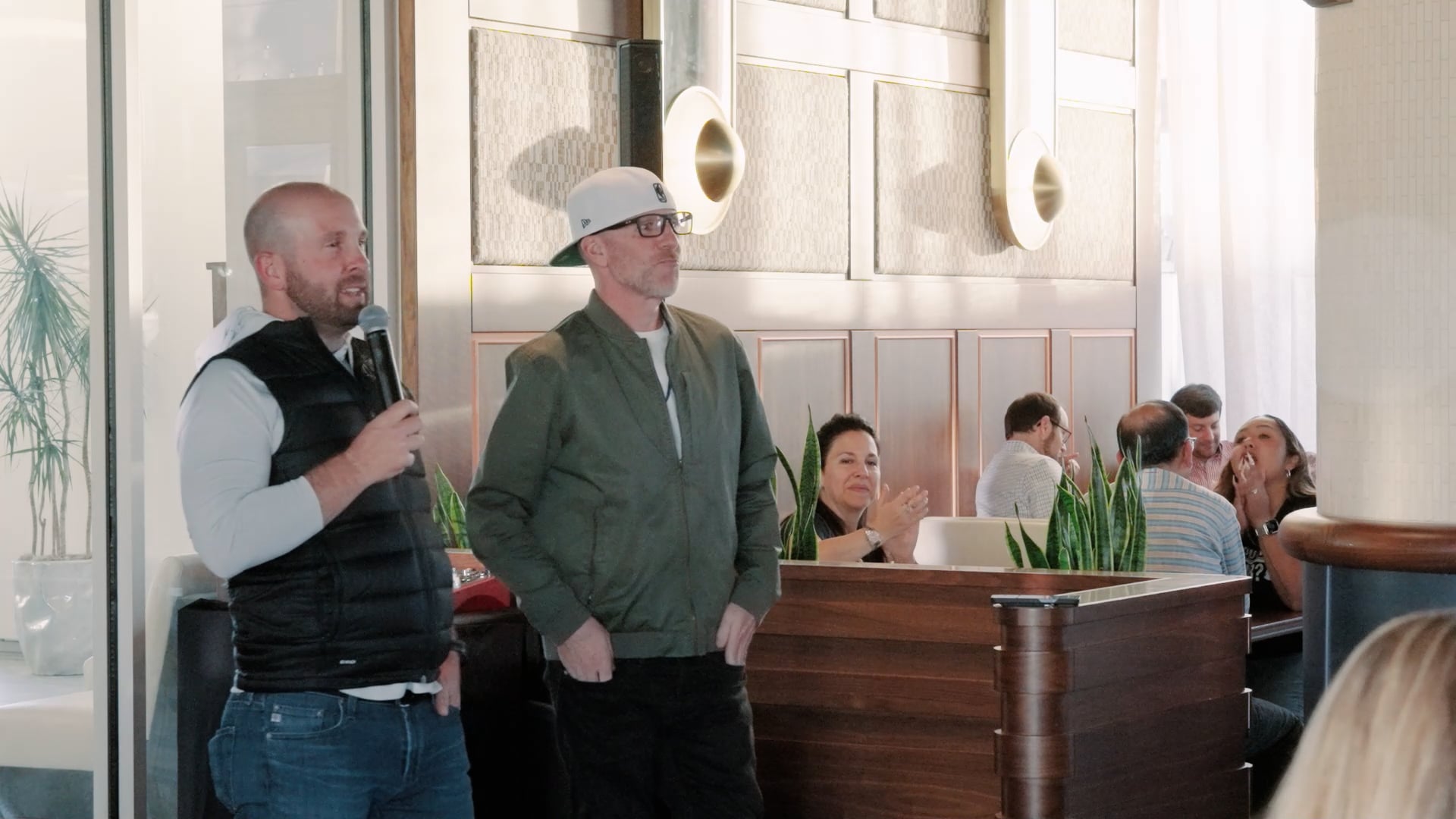
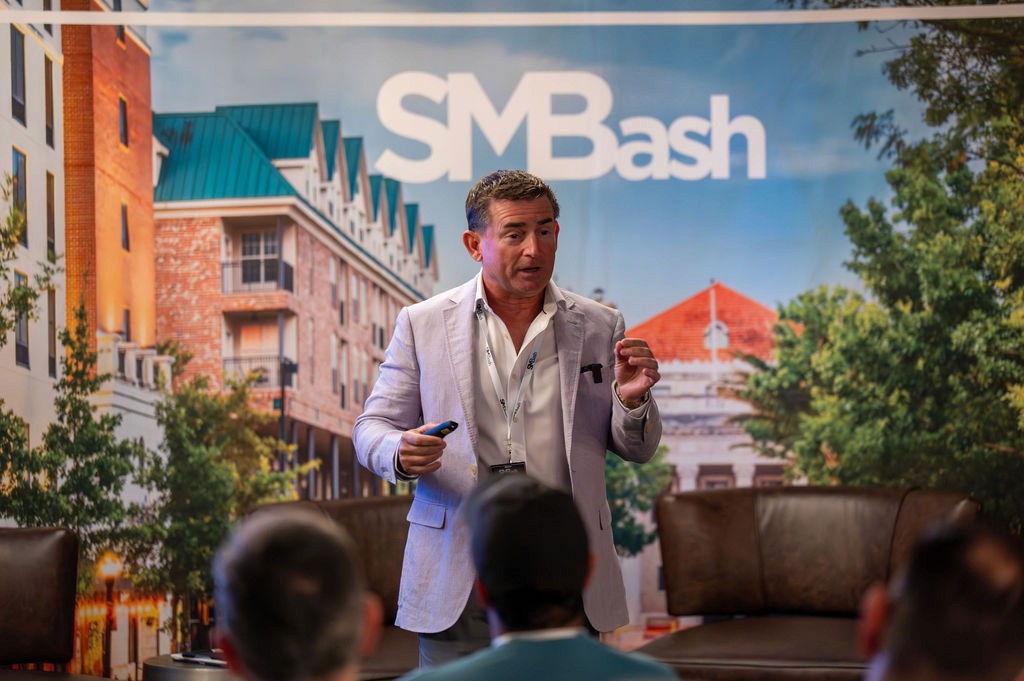
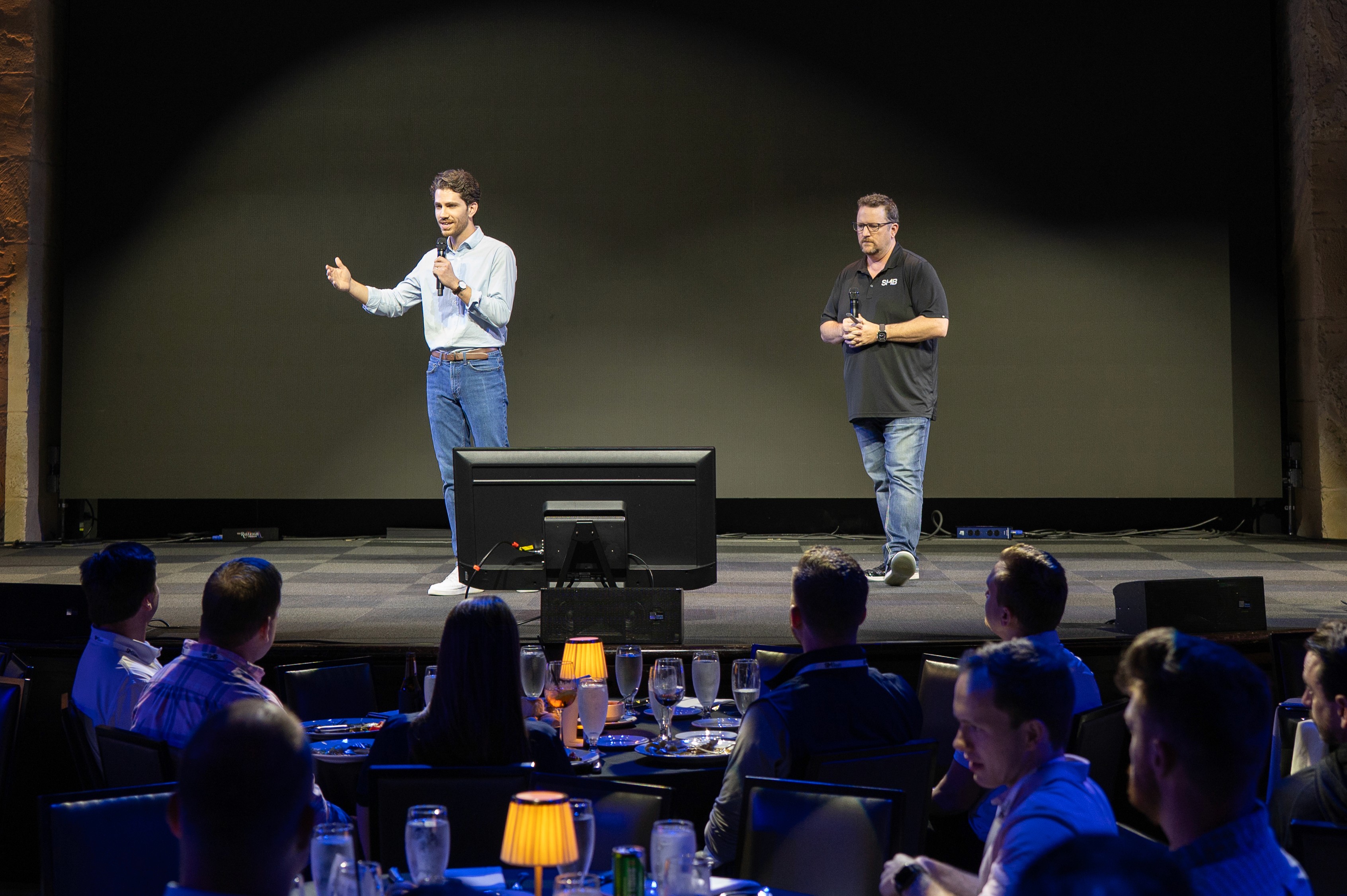
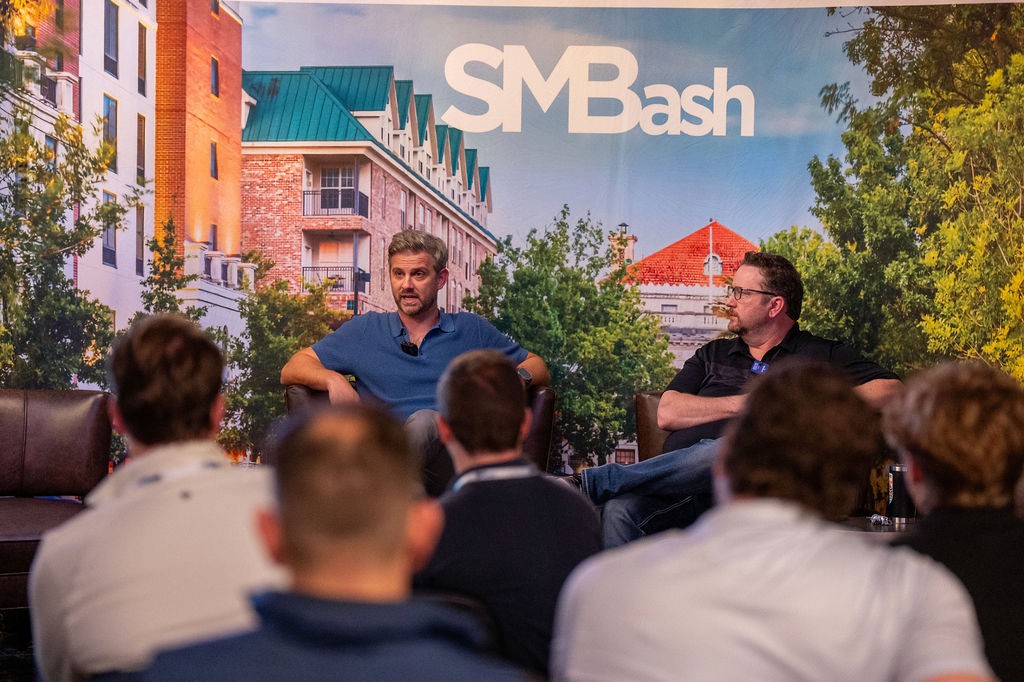
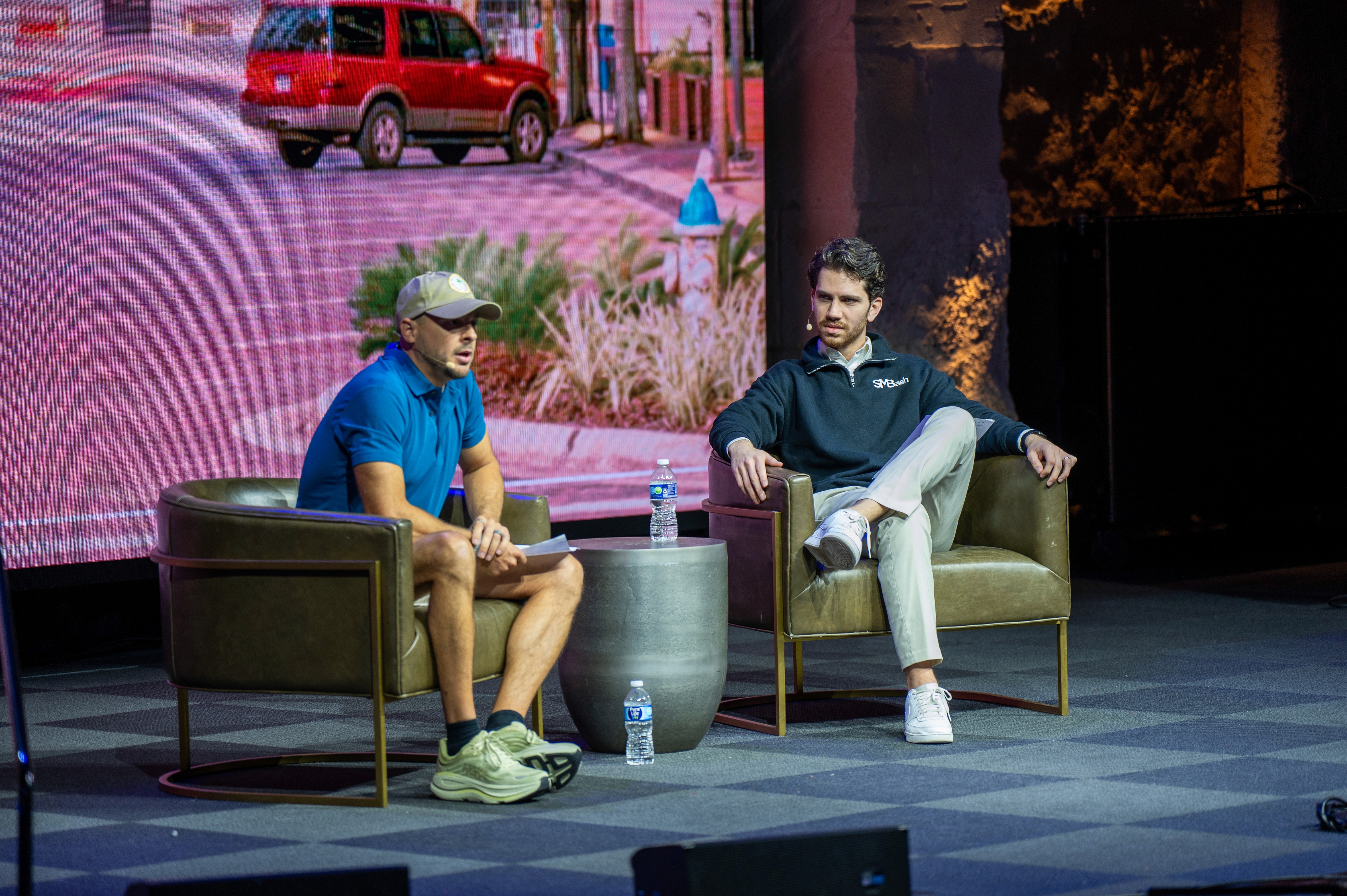
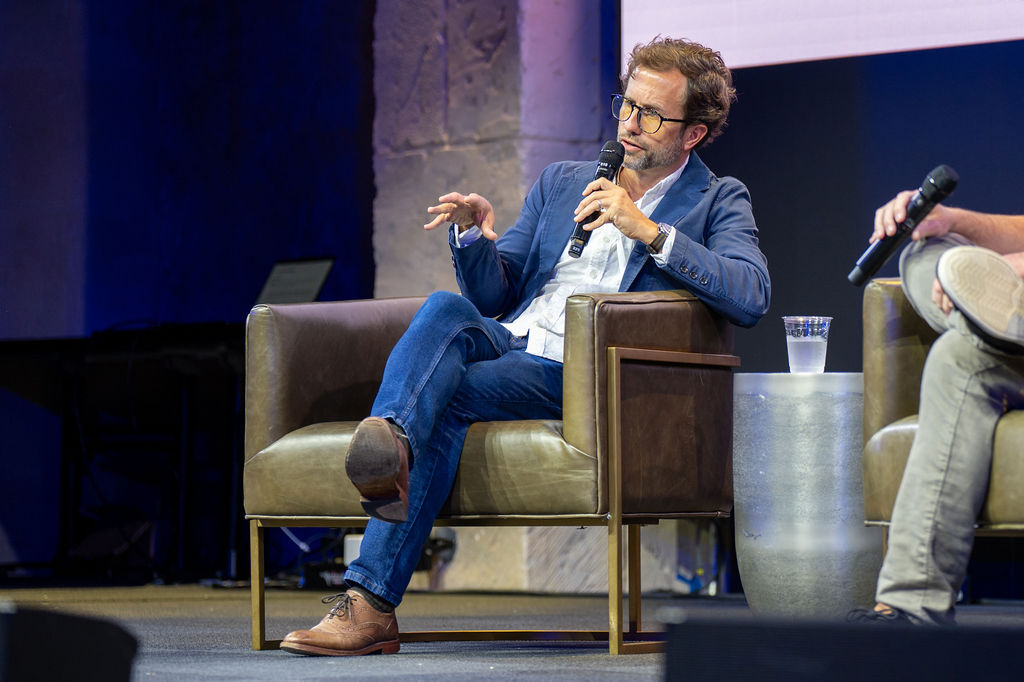
Community is a big part of all of our lives, particularly our professional lives. I think that's part of the reason we're all here this weekend. It's the community building, having a connection with other people who are doing the same things, maybe from a different perspective, maybe in a different industry, maybe in a different place, but all connected by the same threads. So I'm really excited to finally talk about peer groups. We've got Rand Larsen and Chris Munn. I'll let them introduce themselves. Rand, why don't you go first?
Rand: Quick background. Graduated college, worked a corporate sales job, knew that really wasn't for me. Started working at a startup in California selling cannabis to seniors in retirement communities to help with things like arthritis, dementia, and psoriasis. From there, I started my own company making documentaries about seniors to preserve life stories and legacy for future generations. Great idea, but that business was killed by COVID pretty quickly.
I heard a podcast from Brent Beshore about buying businesses that sounded way easier than starting them. It's not quite easier, but it's definitely a different path than entrepreneurship, which I was attracted to. I followed him on Twitter, followed everyone else on Twitter, and found a guy named John Wilson who was buying trades companies in northeastern Ohio. He had a role he was hiring for, an entrepreneur in residence, to teach them how to buy and run companies, to either keep them in his portfolio or to go buy and run their own business with him investing.
I worked with John for a year and a half. I saw basically everything in the deal-making process: talking to sellers, negotiating, due diligence, closing a deal, integration, and operations. I saw the full spectrum. I prematurely started a search and really shouldn't have done it, didn't have enough capital. When I realized that debt deal fees would have had me go back to a W2 to recoup those expenses, it didn't make sense for me. Around that time I started building peer groups while I was working with John.
Outside of peer groups, I did the Rand Run, which was me traveling to 16 different cities across the Northeast and the Midwest hosting local small business owner ETA meetups in each. We had a total of about 300 people come out across all the events. Now I'm trying to build that as a service I do with other people, where in any city around the US I will help source, promote, and handle all of the administrative work that goes into building a local small business owner community.
Chris: Thanks for having me. My name is Chris Munn. I run the Fairfield Company where we have a few businesses. My background was in finance, which is boring, so I won't talk about that. I bought my first business in 2020, my second in 2022. I noticed how lonely the entrepreneurial path was. I'd come home and talk to my wife every day about stuff she didn't care about. So I said, I need a peer group. I didn't think there was one out there specifically for what I was looking for, so I gathered up seven friends and said, let's pay a moderator and have a peer group. It's John Sypher, the guy who spoke yesterday in the first session.
After a while, enough people contacted me asking to learn about the peer group, and John finally said, you should just, I can run them if you manage it, and we could start a little business. So it's called Tennessee. That's how I got into it.
Host: The really cool thing about what they're doing is that it's born out of a need in this community. They're not doing it just to turn a profit. Let's take a step back. What is a peer group? How is it different than SMBash or events?
Rand: I generally took the broad view that a peer group is just a group of people who meet regularly to share information with each other. All the subcategories of who's meeting, when, and where, whether it's in person or a Zoom call, those are just subcategories that differentiate them. You don't have to be a business owner to be in a peer group. If you're an operator, you should be in a peer group. It's really just people of similar mind who want to share the journey with others on similar life paths.
Chris: A peer group is really to shortcut your path. That's the best way I can put it. For instance, Coop was up here earlier. I have a business line that's very similar to Coop's. About a year and a half ago, Coop and I got on a Zoom for two hours talking about our backlog, talking about whether we should buy another truck and what that meant for our business. Those conversations with people who are doing it shortcut you having to figure that stuff out. As a business owner, you're doing everything: marketing, accounting, sales, ops, HR. You can't always dive deep into topics. The peer group helps me get to an answer more quickly.
Host: Why are these peer groups becoming more popular in the SMB and ETA space?
Chris: A lot of people who do ETA, and I don't want to talk down on anyone, there are a lot of vendors in the space who are there before you do your deal. You've got a banker, a lawyer, and you need those people. But once you sign the papers, no one's there anymore. Now it's just you, and now it's the hardest part. You paid them to do their job, they did their job, and they're gone. So a lot of us find that the community and the people helping with our legal, banking, due diligence, and QoE are gone, but I still need professional help. I still need help to solve some of these challenges. That's why these groups have sprouted. There are more people getting into the space, the TAM for people looking to buy a business is larger, but the need for support among operators is greater.
Rand: Chris and I didn't invent peer groups. This has been around probably for generations. What we're doing is community building. In this specific ETA and SMB world, there are a few specific challenges that cause peer groups to be very needed. When you buy a business from a seller, those are different challenges. Small business owner peer groups exist in EO, they have about 4,000 members. Most people I know in EO or Vistage or YPO don't have the same challenge of, hey, how do I handle a seller transition, or the seller is sticking around longer than they should, or they're trying to renegotiate a contract they really shouldn't be. Those are entrepreneurship through acquisition specific challenges. Additionally, small business owners in other peer groups usually have less debt. They're not taking out $5 million SBA 7(a) loans. That's another different challenge for ETA, a different set of challenges that isn't being serviced by other groups.
Host: Let's jump forward. I'm an operator, I bought a business two, three, six months ago. My attorneys, broker, lender have all dropped off. I hear about peer groups and think, that sounds awesome, but I have concerns. Number one, maybe things aren't going well, I'm a little embarrassed. Number two, how are these structured? How many people, how often do you meet? And let's hit on industry-specific versus industry-agnostic groups.
Chris: The first meeting, no one is going to be open. You're getting to know each other. But over time you start to share intimate details about your business. There are a few people in this room in my peer group, and there are real stories that come through that you would not hear otherwise. Things like, I think my business is about to fail. I have real personal challenges going on at the same time something is going on in my business. Our sales just went to hell. That's when the strength of the community comes out. People rally around because you've built rapport. The people who succeed and find peer groups most valuable are the ones who share the most because the community rallies around them. They become work friends, people who look out for you, who want your best interest with no monetary reward. That has been really beneficial.
Rand: On vulnerability, I'm the facilitator in most of the peer groups I host. When we start a brand new peer group from scratch, getting people to break down barriers is very tough. If you want to communicate anything well, you have to repeat it. One of the things I say consistently is permission to be vulnerable. A couple of guys in this room know every email I send to prepare for a peer call. One of our questions specifically gives permission to be vulnerable. If there's something tough going on in your business or personal life and you want to talk about it, this is your permission to share. That communication line is always open.
On industry-specific versus agnostic, with permission of Matt Sasek and Michael Robey, both in my peer groups, we had a fantastic discussion. Last Thursday, they had their own discussion. I sat back for 90 minutes and just watched. Two towing guys who acquired towing companies in the last two years talked about nine very specific things that show the value you get from an industry-specific group. Number one was specific deals, on-market acquisitions, knowing whether a seller's a good person to work with. Another is service line details. Mike was concerned about getting into heavy duty towing with the new acquisition he's looking at. The margins of that specific service line are really great, information Matt was able to share. They both used Towbook, and Matt had to dig out where to find the Google review feature where you can text customers after a service. There are five other things I wrote down on different values of being in an industry-specific group.
Generally, Chris puts together more industry-agnostic groups. Mine are as industry-specific as possible. It's tough in ETA to find that all the time, but I try to get as specific as possible. To the credit of industry-agnostic groups, Matt Sasek has been trying to build a B2B sales program for a while, and that's not a traditional role in the towing industry. I'd say 95% of towing companies do not have a B2B sales role selling fleet management programs. He's had to talk with people in different industries: data analytics, commercial janitorial. You're going to other industries trying to find an opportunity that you see that you can capitalize on but isn't serviced by 99% of other towing companies. That's the differentiation. Both are equally valuable in totally different ways.
Chris: I run industry-agnostic peer groups, so I have a wide range of industries. The groups are about eight people. I'll use myself as an example. I run a facilities management business in Florida. I was having customer service questions, how to treat customers better. Talking to other people in my industry, I'm hearing the same things. Then there's a guy in my peer group, Taylor Wallace, who spoke yesterday. He runs doggy daycares. He said, let me tell you about our customer service, because when someone drops their dog off, for some people that's like dropping their child off. We have a different level of customer service that you would never have in your industry. He gave me some stuff to read, and it completely changed my mindset around what I could do in my industry. That wouldn't be possible if I was sitting around with a bunch of facility management guys.
Now, I can't ask Taylor what software he's using. That's a blind spot. But what we try to do is have enough people in the overall community with similar business models so they can find each other. They may not be in a peer group together, but we have a community where they can communicate. For me, it's all about finding that edge in my industry that I won't find in an industry-specific peer group, and being able to get diverse voices.
Host: One thing not conducive to my wellbeing is more meetings. This is a meeting ultimately. How do you make sure this isn't just another meeting on the calendar?
Rand: The people who most want a peer group get the most out of it. This is a weird industry where if we ran the exact same programs and charged nothing, everyone would value it less and show up less. The way to get more value is to get outside of the actual peer group calls. My peer groups meet every few weeks. In every call you might talk about eight different things, each a small thread to pull on. There's only so much you can cover in an hour and a half or two hours. Take those conversations, pull on those strings outside of them, get on individual phone calls. Matt and Mike spoke for 90 minutes that one time, and now they're just yanking that thread. That's one of the easiest ways to get more value out.
Chris: There are three people sitting in the back who are in my peer groups. We would all say, if we don't speak in the meeting, we just sit around and look at each other. The meeting is community-run. John facilitates and helps make sure the conversation stays on the rails, but there's no driving of the meeting from John. The meetings are driven through the problems of the people in the community. The eight people in that meeting are running it. Without their inputs, there's nothing to talk about.
We meet once a month, 11 times a year, taking one month off. We meet at the same time on the same day every month, like the second Tuesday at 1 PM Eastern. That's on your calendar a year out, you can schedule around it.
Rand: We've got two different cadences. Calls are between 75 and 90 minutes. One group meets once a month. The others meet every three weeks. Three weeks always feels like the right cadence to me most of the time.
Host: Let's talk about objections. One thing I've heard is, I'm on SMB Twitter, I'm talking war stories there, I don't need a peer group.
Chris: Twitter is not real. Twitter is not the real world. The people in my peer group, we talk about things that no one talks about on Twitter. Most people on Twitter are trying to sell you something. If you want to learn how to be a business operator, it's not the place to go. If you want to learn the ins and outs of buying a business, of making your revenue go up and to the right, it's the place. But if you really want to get down to the nitty gritty of how you operate a business, it's too nuanced for Twitter. And the real stuff, people saying I might lose my business, I don't have any working capital, that's not on Twitter.
Rand: I agree with everything Chris just said. Understanding the reasons why Twitter is just a highlight reel might also be interesting. Everyone wants to share the good stuff. It's not always someone trying to sell you something. A lot of times you want to share your highlights. They're momentous things you want to celebrate. Emotionally, you do not want to share the bad stuff. Then there's a third disincentive: it's very hard to share things showing your company is not performing well, because vendors are listening, customers are listening, employees are listening. John Wilson used to be very active on Twitter, very transparent. We hit annoying points where employees of companies we were trying to acquire found out about his Twitter, and he had to have difficult conversations on what that meant. So if you want to know what's actually happening, you really do need to talk with other operators, whether it's a peer group or just one-on-one DMs.
Chris: People ask, oh, you have to share the whole thing, talk about the good and the bad. That's not realistic. We don't ask people to delve into their divorce or while their marriage isn't working. No one's going to put that on Twitter. For the same reasons and even more, they're not going to put what's going wrong in their business there. If you really have challenges, you have to find a forum where you think everyone there has your best interests. That's why peer groups are small. We have a large community, but your peer group is still small. Six or seven people hear that stuff, and over time you build trust with them.
Host: Second objection: I don't have time.
Chris: If someone doesn't have time for it, then they shouldn't do it. It's that simple. I'm not here to sell my peer group. If you want to be in a peer group, find one that's great for you. The people who get the most out of it are the ones who put the most in. If you don't think you'll be able to put a lot in, you won't get a lot out. I do encourage people to find a community of people they can share with, talk to, communicate with, be vulnerable with. It could be a peer group or not. It's no different than your friend group or your family. It's just a professional network.
Rand: When people say they don't have time, a lot of times their mind is changed when they actually get in and see how valuable it is. My peer groups have a free trial, so you actually get to see what happens inside them. If they're not valuable, then don't join. The other side is, if you can't contribute the time you want to, you end up feeling bad. I think a lot of peer groups might have a free trial. EO might let you join one meeting before you're forced to pay. If you can get in before you make an assumption, definitely do that.
Chris: If you can't put the time in, it's a disservice to the other people in the group. You have six or eight other people who, when they bring an issue, expect to be vulnerable and expect something back. If you're not going to show up for that, it's not fair to the other people either.
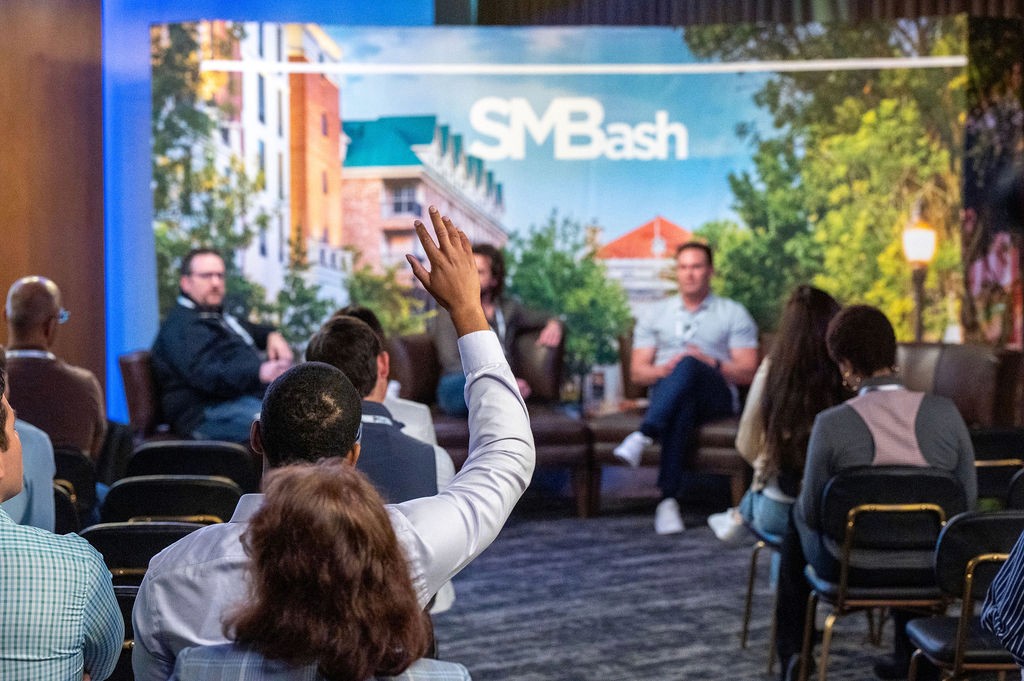
Q&A:
Question about local versus remote businesses and how peer groups handle different needs.
Chris: In our group, we have pods, and each pod is the eight people who meet every month. In that group, you may have one person who shares a lot of stuff with you, maybe two, you might be lucky to have three. Then in the broader community, there are more. I have one person in my peer group who runs a remote business. I don't focus on matching exactly because it's too hard to find what exactly matches everyone. So you get in the community and there will be people in the community. You can see their profile, their business type. There are some criteria, like over a million dollars in revenue. You can communicate with them separately. I run a facility management business. There are two other facility management guys not in my group, but us three found each other on the directory and have calls.
Follow-up: I bought a business yesterday in Virginia. I have to deal with challenges like my seller comes in 30 minutes late, scares everyone. I have to teach him to come to work on time. There's a conference I want to go to and I'm not going because certain people can't be left alone without me there. They don't text or reach out, they wait until I show up in person.
Rand: It's a really weird operational challenge, and just jumping into any peer group, a lot of people aren't going to share that. Chris and I get tons of exposure to different operators and their problems. That's effectively all I do, talk with operators about their problems. You end up finding similar threads. Matt is looking for a B2B salesperson, having to solve the same problem in a different industry, and that's not solved by his current peer group. We have a Slack-style group where you can talk with everyone, and that's a place where you would bring up a challenge like that, see who shares that similar challenge or has solved it in the past.
Host: Even if they haven't faced exactly your situation, you've got eight minds to help solve that problem. There's brain power and a space to collaborate.
Question to Rand: Why did you decide to be the facilitator versus outsourcing?
Rand: Mostly scale. My plan is to help as many people as possible, which means me moving up. Finding the right facilitator is really difficult. If you hire a facilitator, that's the person who effectively holds the relationships of every person in a peer group. That person needs to be selected with real care. Rory Tire facilitates one of our peer groups. I trust him with everything. He does a fantastic job. The second reason is I started these peer groups for free. The original reason I started was a buddy bought a large commercial HVAC installation company. I was running a company for John Wilson, and somehow I was the closest person he could relate to. I was a general manager, no equity, no debt over my head. He was running a business with a ton of challenges, maxed out SBA debt. He didn't have any other operators to talk to, so I just built a room for free. Eventually monetized it. Strings of that are still going on. I'll be the facilitator for a while.
Question: I've been in a few tech masterminds, and it's hard to gauge personalities. There's the craftsman, the guy who wants to change the world, and the guy who just wants to make money. Sometimes that works as a collage, but often it causes conflicts. How do you manage that?
Rand: I've built peer groups that have failed before. The top three things that make a good peer group: number one, you have to like the other people. Number two, you all have to have the desire to be in a peer group and get value out of it. Three, ideally you have a monetary benefit, you can take advice and implement it in your own company. It sounds like you have an issue of people not liking each other. I've been able to fill the other two buckets where people have the desire and the monetary benefit, similar industries with no current industry group, but it failed because they just didn't like each other.
Question: Do you kick people out?
Rand: We've never had to. If selection is done well in the beginning, you don't have to kick anyone out. If anything, it's a stern conversation if someone is dominating the time. The peer groups I started poorly just closed.
Chris: That's what your facilitator is for. Their job is to make sure the conversation stays on track. We do something called the hot seat. Somebody goes up, talks about a problem. It's organized: in the beginning you can only ask clarifying questions, you can't give advice, you can't take all the time. At the end we discuss what you're going to do next month. We have to time that, because there are easy ways for people to monopolize time. The facilitator does a really good job of making it about solving issues.
Question: Given your experience with ETA-specific peer groups, what are the most common pain points for operators in the post-acquisition phase?
Chris: I have ETA and non-ETA people in mind. The ETA people are always more stressed. In the first six months of acquisition, you get the sense of people saying, I don't know what the hell I'm doing. Luckily in our peer groups, we have people who have exited, people who are two years in, people who are ten years in. Our facilitator owned a remote business in the 90s. He would FedEx floppy disks overnight back and forth. That's how he ran his business. He has good insights too. The most common things: I didn't properly capitalize this business, either working capital or otherwise. We've had several instances of seller misrepresentation in the first six months, where they find out the seller misrepresented something or did something nefarious. And just operations, I don't know how to really run this business. People are overwhelmed with the amount of stuff they're now responsible for.
Rand: The first thing off the top of my head is seller transition. Sometimes the sellers are jerks to their employees and you have to handle that. Before you bought the company, you didn't know that. You said, sure, we'll work with you for a whole year, and then you say, I need to get this person out of my company this month. New buyers are very uncertain about actions they need to take because they're still figuring everything out. They're slower to act on firing people, letting people go, even hiring new people. We had a situation where a GM was sort of taking a new buyer for a ride, not showing up, not doing his job, but the buyer was worried about firing someone who potentially holds relationships with other employees. Rich Jordan is a really good case study on this. He's always been fast to act. After so many reps, he's sort of cold-hearted, but he will go in and make every change that needs to happen with a company very quickly within the first month. A new buyer buying a company for the first time doesn't have those reps, and that uncertainty impacts everything in the company.
Closing remarks:
Rand: Thanks for having us. This was my first SMBash two years ago. It's interesting to see that a lot of people who are here today, who I just met a couple years ago, are now friends. It's awesome to see how this community has grown. My company is smbcommunity.co and you can find me on Twitter at RandBusiness.
Chris: Appreciate the conversation. This is a community building event, and peer groups are an extension of this. I come here and see people in my peer group and it feels familiar. I know I can trust those people. I know they have my back. If you feel like these conferences give you confidence and fuel you, look into peer groups, they might be for you. If these are draining and you can't wait to leave, then maybe the opposite. Mine is called Tennessee, TDNSI. You can find us if you ask people around here, there are members floating around. We'd love to have anyone looking for a peer group and community. We have some great entrepreneurs in ours. Thanks again.